The Steady March Forward: How Transaction Protections Have Shaped Modern Online Gambling Platforms
Written by Carlo Hughes · May 22, 2026
The Steady March Forward: How Transaction Protections Have Shaped Modern Online Gambling Platforms
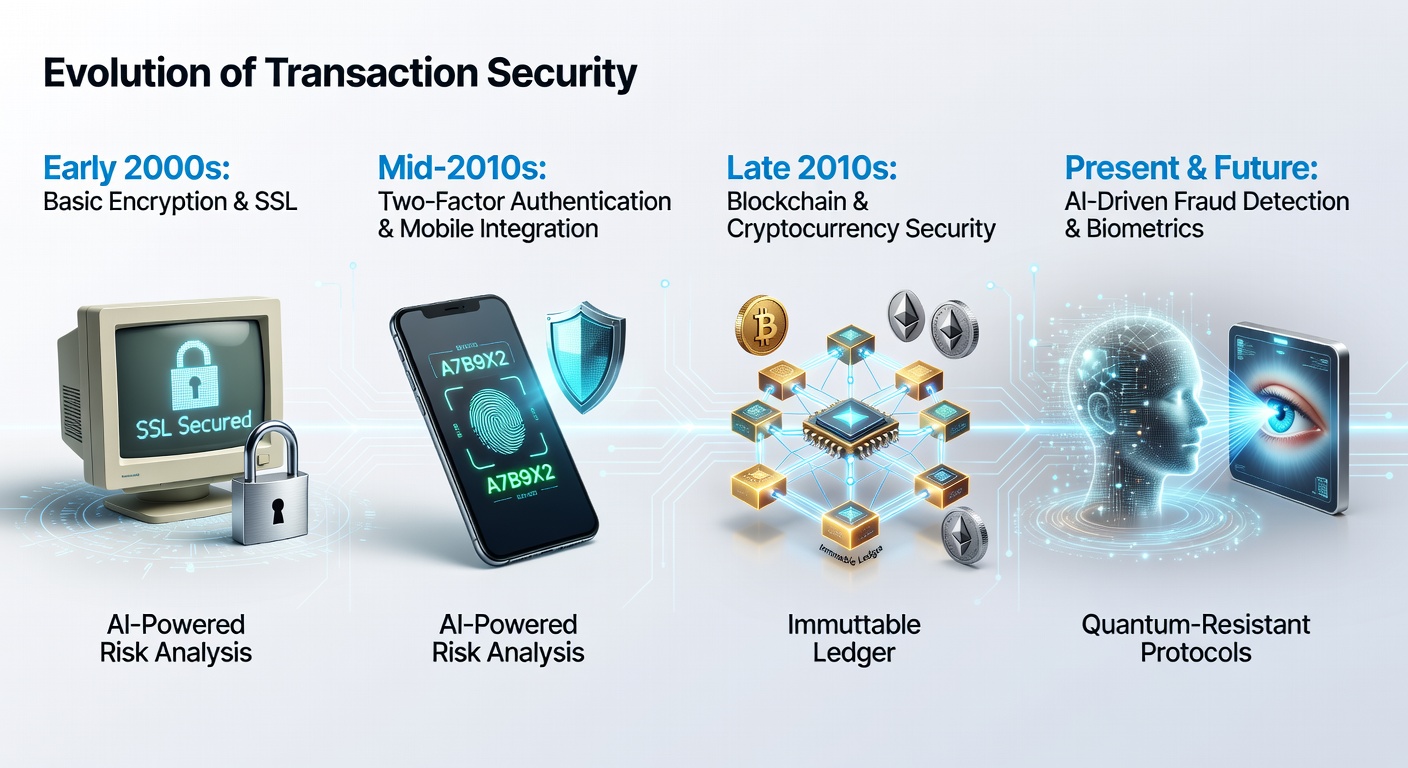
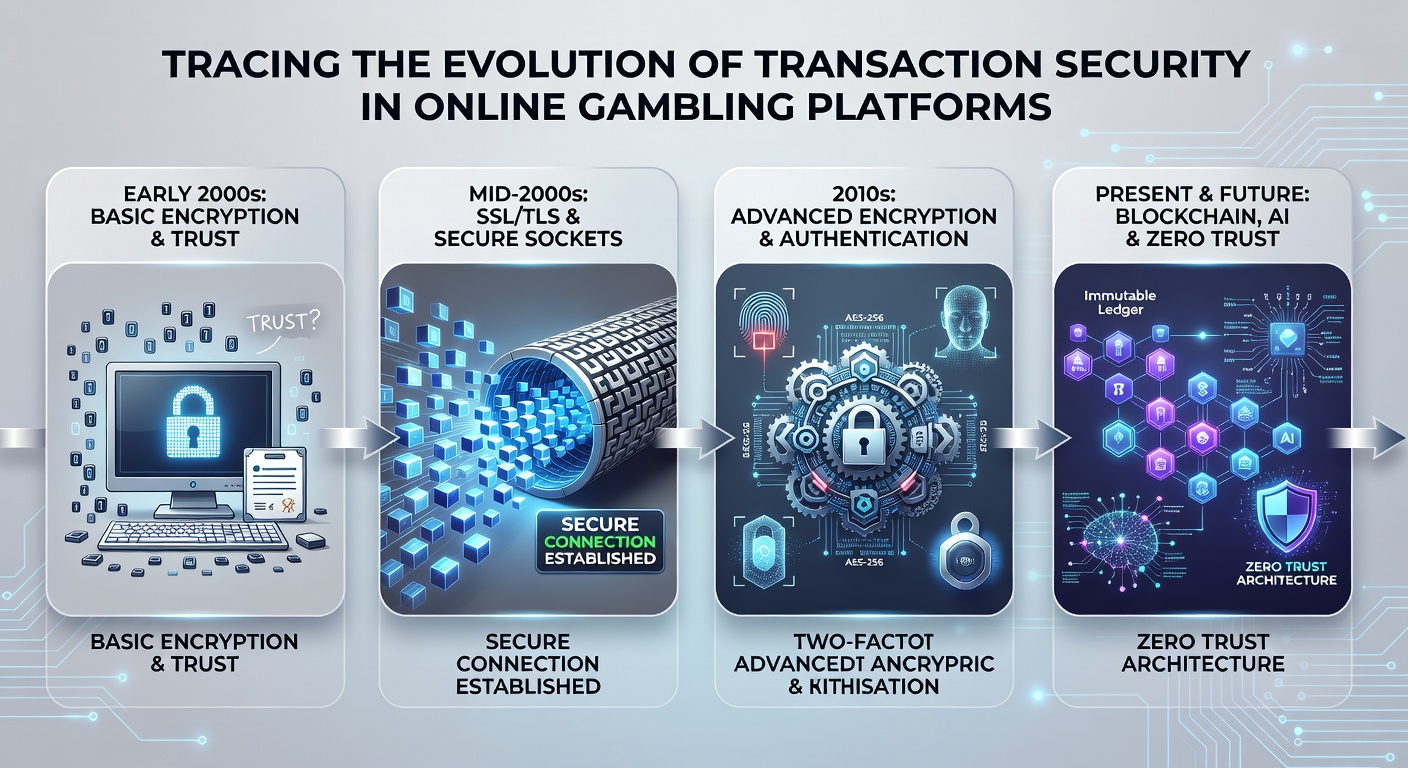
Online gambling platforms have always faced intense pressure to protect every deposit, withdrawal, and wager that moves across their systems, and the methods used to meet that pressure have changed dramatically since the first virtual casinos appeared in the mid-1990s. Early operators relied on basic credit-card processing paired with rudimentary encryption, yet those measures proved insufficient once fraud rings began targeting the new industry at scale. Observers note that the transition to Secure Sockets Layer protocols in the late 1990s marked the first widespread effort to shield card details during transmission, although the approach still left stored data vulnerable.
Regulatory Frameworks Take Hold
Governments and licensing bodies soon stepped in because public trust hinged on verifiable safeguards rather than promises alone. Licensing jurisdictions such as the Malta Gaming Authority began requiring documented compliance with emerging payment-card industry standards, which forced operators to segment networks and conduct regular vulnerability scans. Research indicates that by the early 2000s most reputable platforms had adopted tokenization techniques that replaced actual card numbers with unique identifiers, cutting down on the value of any intercepted data. Those who studied the period point out that this shift coincided with the rollout of two-factor authentication for player accounts, adding a second verification layer before any funds could move.
Encryption Upgrades and Mobile Pressures
Transport Layer Security gradually replaced its predecessor, delivering stronger cipher suites and forward secrecy that made retrospective decryption far more difficult. At the same time, the rise of smartphone betting introduced fresh attack surfaces because users frequently connected over public Wi-Fi networks. Experts have observed that platforms responded by implementing end-to-end encryption for session tokens and by deploying risk-based authentication engines that flagged unusual login locations or device fingerprints. Data shows that these layered controls reduced successful account takeovers even as transaction volumes climbed steadily through the 2010s.
Emerging Technologies Reshape Defenses
Blockchain-based settlement systems entered the conversation around 2018 when several operators began testing cryptocurrency rails for faster, borderless payouts. While the underlying ledgers offered transparency, they also required new wallet-management protocols and multi-signature approval workflows to prevent private-key theft. Figures reveal that operators who integrated these systems often reported fewer chargeback disputes, partly because blockchain transactions settle irreversibly once confirmed. In parallel, machine-learning models trained on historical fraud patterns started scoring every transaction in milliseconds, allowing platforms to pause suspicious withdrawals for manual review without halting legitimate play.
Standards and Collaboration in 2026
By May 2026, industry groups had begun circulating updated technical specifications that incorporate post-quantum cryptography algorithms designed to withstand future computing advances. The European Gaming and Betting Association published guidance encouraging members to test hybrid encryption schemes that combine classical and quantum-resistant methods, and several large operators announced pilot programs. Meanwhile, cross-border data-sharing initiatives among regulators in Australia, Canada, and parts of Europe have accelerated the identification of mule accounts and money-mule networks that previously exploited jurisdictional gaps. Those who've examined the latest reports note measurable drops in confirmed fraud rates at participating sites.
Biometric verification methods, including facial recognition and behavioral analytics, now supplement or replace one-time passwords for high-value actions on many platforms. Studies conducted by academic researchers at institutions tracking digital-payment security show that continuous authentication, which monitors typing rhythm and device angle throughout a session, catches anomalies earlier than static checks alone. Operators continue to refine these tools while balancing privacy regulations that limit how long biometric templates may be retained.
Conclusion
The arc of transaction security in online gambling has moved from basic encryption and manual reviews toward automated, multi-layered systems that adapt in real time. Regulatory mandates, technological breakthroughs, and coordinated information sharing have each played distinct roles in that progression. As new threats surface and computing capabilities advance, platforms and oversight bodies keep adjusting their approaches to maintain both player confidence and operational integrity.