Support Response Durations Guiding Payment Method Preferences Across Online Gambling Sites
Written by Katja Beck · Aug 2, 2026
Support Response Durations Guiding Payment Method Preferences Across Online Gambling Sites
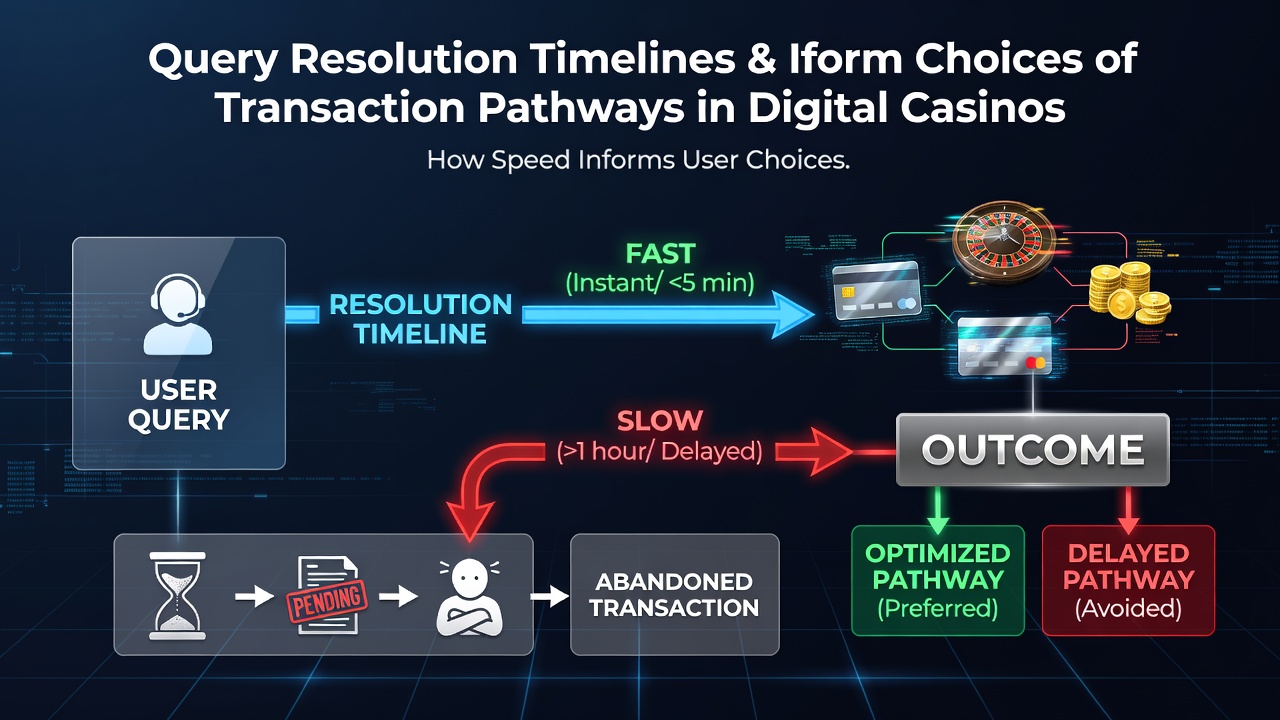
Transaction pathways in digital casino environments depend heavily on how quickly support teams handle player inquiries about deposits, withdrawals, and verification steps. When response times stretch beyond expected windows, users shift toward methods that offer built-in transparency or automated confirmations, reducing the need for follow-up contact. Observers note that platforms track these patterns closely because slower resolutions correlate with changes in preferred gateways such as e-wallets versus bank transfers.
Core Mechanics of Query Resolution in Casino Systems
Resolution timelines begin the moment a player submits a question through live chat, email, or ticket systems, and they end when the issue receives a complete answer that allows the transaction to proceed. Data from multiple operators indicates that average handling periods range from under two minutes for simple balance checks to several hours for verification-related matters during peak August 2026 activity. Those who study platform analytics find that queries involving cryptocurrency transfers often resolve faster than traditional wire requests because blockchain explorers provide independent verification tools that support staff can reference immediately.
Payment providers integrate with casino back-end systems at different depths, which affects how much information support agents must gather before approving or rejecting a move. E-wallet services frequently embed real-time status updates that cut down on repeated contacts, whereas card processors may require manual review of regional restrictions that extend the dialogue. Researchers tracking these interactions report that players monitor response clocks closely and adjust future choices when one pathway consistently demands longer waits.
Patterns Observed in Player Behavior During 2026
Throughout August 2026, regulatory updates in several jurisdictions prompted casinos to disclose average support response metrics alongside transaction options. Figures released by the New Jersey Division of Gaming Enforcement showed that platforms publishing these numbers experienced measurable redistribution of volume toward methods with sub-five-minute average reply times. Players who encountered delays exceeding thirty minutes on bank-related queries tended to route subsequent activity through instant settlement alternatives that minimize support involvement altogether.
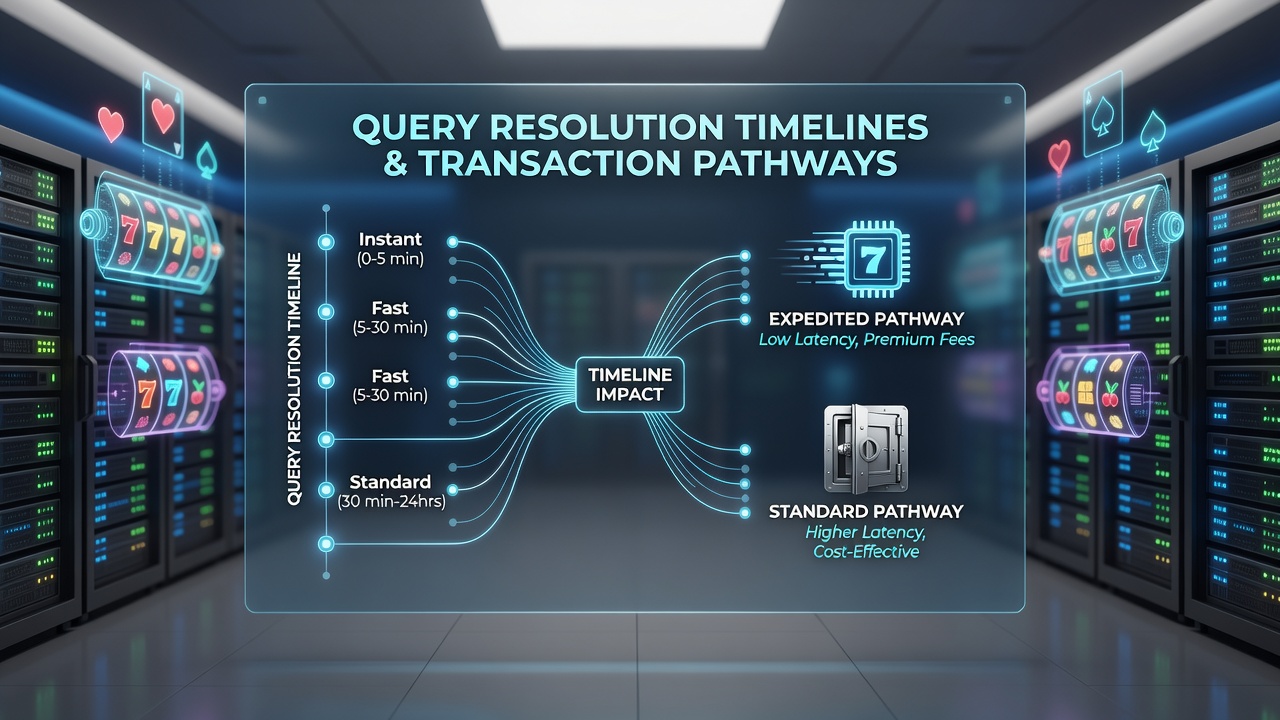
One documented case involved a mid-tier operator that introduced tiered response guarantees tied to payment type, resulting in a documented uptick in e-wallet usage among high-frequency users. Those who reviewed the internal logs discovered that the shift occurred most sharply among accounts handling withdrawals above a certain threshold, where time sensitivity increased. Industry associations such as the European Gaming and Betting Association have compiled similar cross-platform comparisons, confirming that transparent timelines serve as a selection filter rather than a secondary consideration.
Technical Factors Linking Resolution Speed to Pathway Choice
Automated verification layers reduce the volume of queries reaching human agents, yet when manual intervention becomes necessary the speed of that handoff determines whether a pathway remains viable. Systems that route queries directly to specialists familiar with specific processors maintain shorter cycles than generalized queues. Observers tracking August 2026 platform updates note that casinos adding dedicated transaction support teams recorded lower abandonment rates on complex withdrawals compared with those maintaining single-tier models.
Geographic restrictions and compliance checks introduce additional variables because agents must consult external databases that operate on varying schedules. Methods requiring fewer external lookups naturally generate fewer follow-up messages, which keeps overall timelines compressed. Studies from academic groups examining user flow data indicate that pathways with predictable resolution windows retain higher repeat usage even when fees or processing speeds appear comparable on paper.
Regulatory Context Shaping Current Practices
Multiple oversight bodies now require operators to publish service level agreements that cover both transaction processing and support responsiveness. These disclosures allow users to compare pathways before committing funds, creating an environment where resolution performance functions as a competitive differentiator. Data compiled by iGaming Ontario demonstrates that platforms meeting stricter response benchmarks attract a larger share of users who value control over timing, particularly during periods of elevated regulatory scrutiny.
Operators respond by refining internal routing algorithms and expanding multilingual support coverage, both of which compress average handling durations across the board. The result is a feedback loop where faster resolutions reinforce preference for certain gateways while slower ones push volume elsewhere, all without direct intervention in player decisions.
Conclusion
Resolution timelines operate as an invisible sorting mechanism within digital casino transaction ecosystems, steering users toward pathways that minimize friction and uncertainty. As reporting standards tighten and platforms continue refining support infrastructure, the relationship between query speed and payment selection grows more pronounced, shaping operational priorities across the sector.