Slot Volatility Patterns and Their Influence on Withdrawal Timing in Digital Payment Networks
Written by Katja Beck · May 24, 2026
Slot Volatility Patterns and Their Influence on Withdrawal Timing in Digital Payment Networks
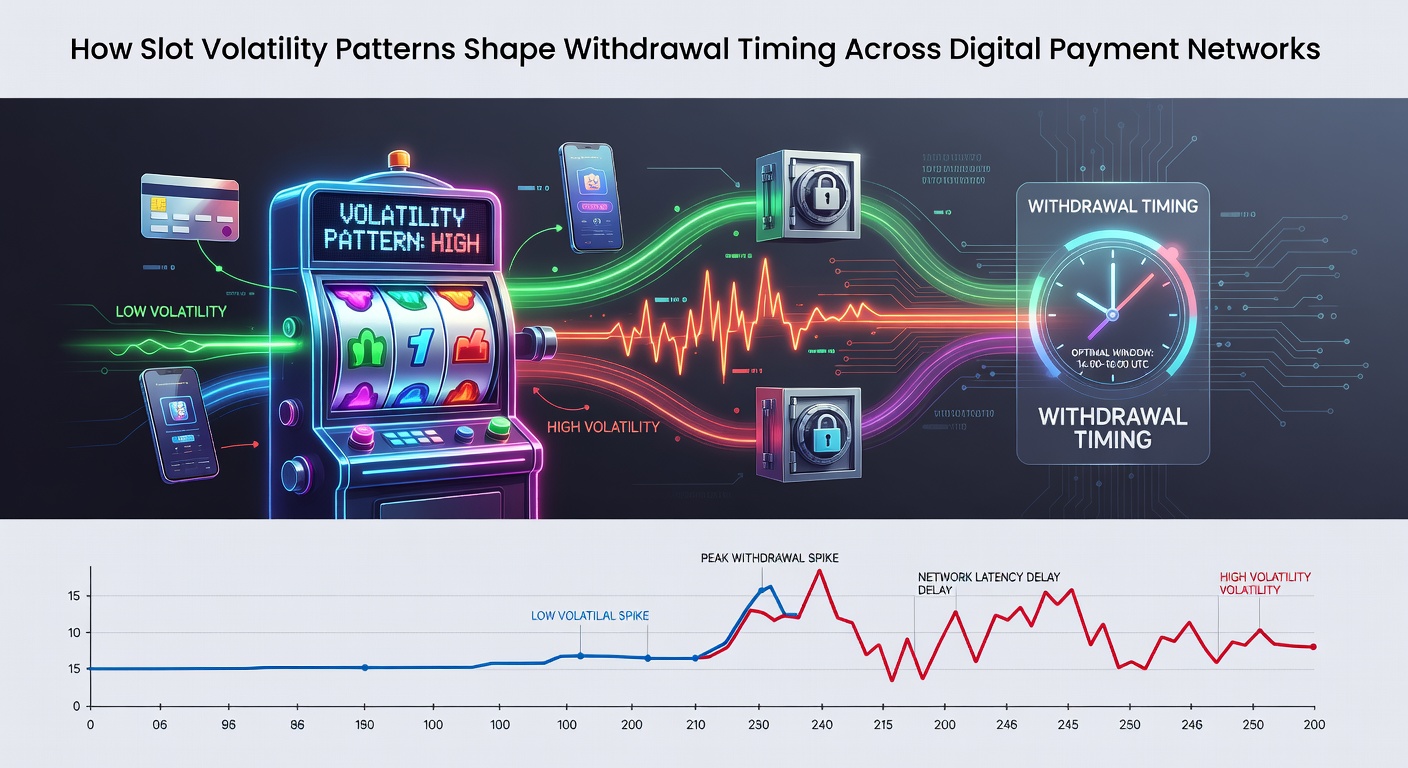
Slot volatility patterns determine the frequency and size of wins in online slot games, and these patterns directly affect when players initiate withdrawals through digital payment networks. High-volatility slots produce infrequent but substantial payouts, whereas low-volatility slots deliver smaller wins at regular intervals, and observers note that players adjust their withdrawal schedules accordingly based on these rhythms.
Data from gaming analytics platforms shows that players on high-volatility titles often accumulate balances over extended sessions before requesting transfers, while those engaging low-volatility games tend to withdraw more frequently after modest gains accumulate. This distinction matters because digital payment networks impose varying processing windows, verification requirements, and fee structures that interact with these timing preferences.
Defining Volatility Patterns in Slot Mechanics
Volatility refers to the statistical distribution of outcomes in slot algorithms, and researchers categorize games into low, medium, and high tiers based on payout dispersion. Low-volatility slots maintain return-to-player rates through consistent small hits, medium-volatility options balance frequency with occasional larger awards, and high-volatility machines concentrate rewards in rarer events that can exceed hundreds of times the initial stake.
Industry reports indicate that volatility settings influence session length and balance fluctuations, which in turn shape player decisions about when to move funds out of casino accounts. Those who study player behavior data find that high-volatility enthusiasts monitor their balances for threshold crossings before engaging payment processors, whereas frequent small-win players distribute withdrawals across shorter cycles.
Digital Payment Networks and Processing Variables
Digital payment networks such as e-wallets, instant bank transfers, and cryptocurrency rails operate with distinct settlement speeds and compliance checkpoints. E-wallet services typically complete transfers within hours once verification clears, bank wires require one to three business days in many jurisdictions, and blockchain-based options settle in minutes yet carry network congestion risks during peak periods.
Payment processors integrate with casino platforms through APIs that enforce identity checks and anti-money laundering protocols, and these steps introduce delays that players must factor into their withdrawal calendars. Figures from regulatory filings reveal that average processing times vary by region and method, with North American networks often emphasizing stricter documentation compared to some European or Asian counterparts.
Interaction Between Volatility and Withdrawal Timing
High-volatility patterns encourage players to time withdrawals after significant wins materialize, and this approach aligns with networks that offer faster settlement for larger amounts. Low-volatility patterns support more regular withdrawals, which suit networks with minimal fees for frequent small transactions yet may accumulate costs if overused.
What's interesting is how network congestion during certain periods, such as weekends or promotional events, amplifies these timing considerations. Players using high-volatility strategies sometimes delay requests until midweek when processing queues shorten, while low-volatility users maintain steadier schedules that avoid peak loads altogether.
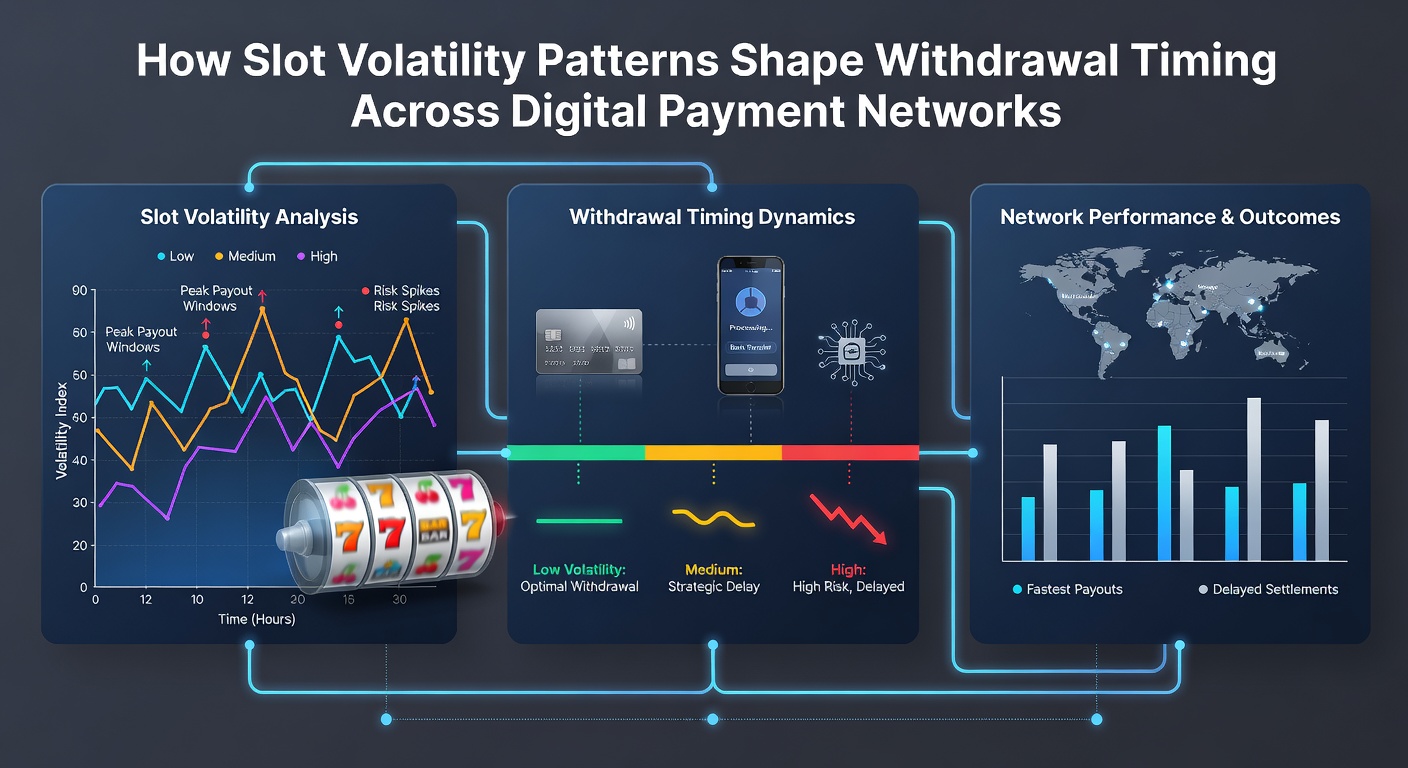
Studies from academic research groups tracking online gambling metrics demonstrate that volatility-driven balance management correlates with specific payment choices. High-volatility players gravitate toward cryptocurrency options for their speed once a large win registers, whereas low-volatility players often select e-wallets for their balance between cost and convenience during routine withdrawals.
Regional Data and Network Trends in 2026
Regulatory data released in May 2026 from multiple jurisdictions highlights shifts in withdrawal volumes that track volatility preferences across player segments. North American markets recorded increased use of instant bank transfer services among medium-volatility players, while Australian platforms noted growth in cryptocurrency withdrawals tied to high-volatility sessions.
Industry organizations such as the European Gaming and Betting Association compile statistics showing that payment network selection evolves with game volatility exposure. These reports emphasize that players adapt timing strategies to minimize delays, and networks respond by expanding options that accommodate both sporadic large transfers and steady smaller ones.
Payment processors have introduced tiered verification systems that accelerate approvals for established accounts, and this development reduces friction for players managing volatility-induced timing decisions. Data indicates faster clearance rates when accounts maintain consistent activity patterns rather than sporadic large movements.
Conclusion
Slot volatility patterns shape withdrawal timing by dictating the pace at which balances reach actionable thresholds, and digital payment networks respond with processing characteristics that either support or constrain those rhythms. Players navigate these variables by aligning game selection with network capabilities, while data from regulatory bodies and research institutions continues to map the evolving relationship between volatility metrics and payment infrastructure performance across regions.