Payment Networks Driving Shifts in Live Dealer Mobile Engagement Patterns
Written by Carlo Hughes · Jul 31, 2026
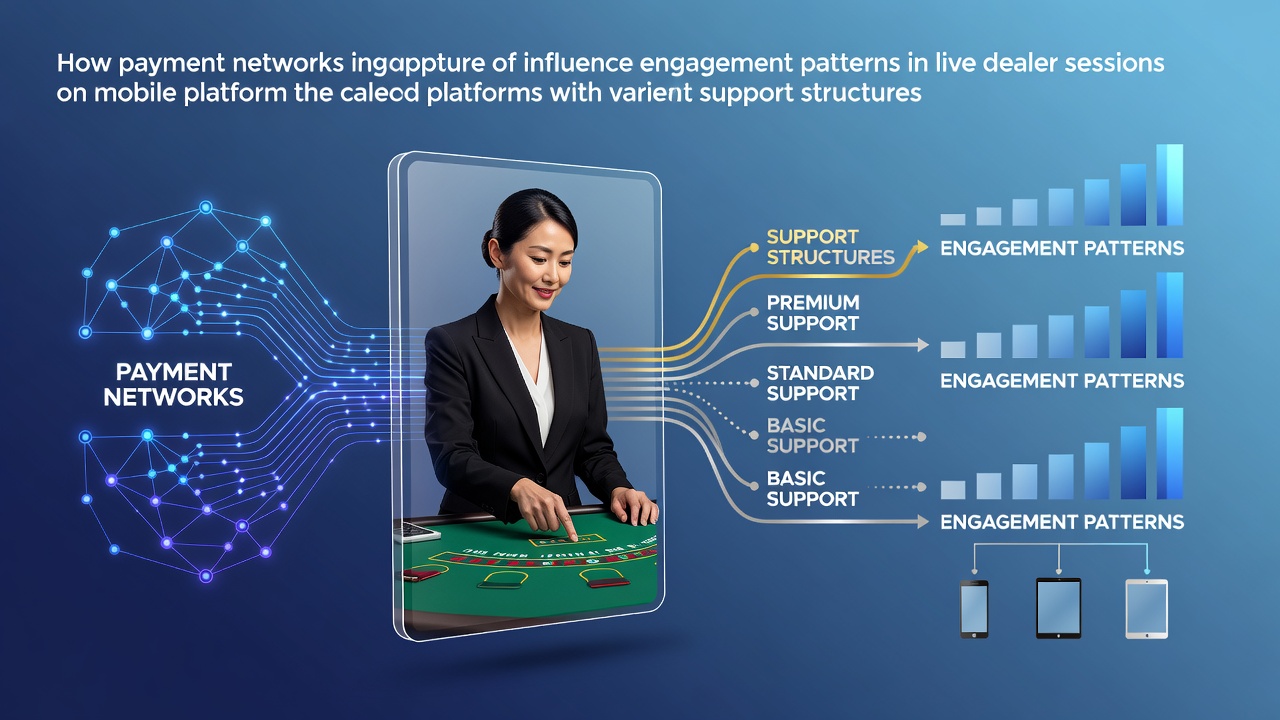
Payment Networks Driving Shifts in Live Dealer Mobile Engagement Patterns
Payment networks have become central to how players interact with live dealer sessions on mobile platforms, and data from industry reports shows that transaction speed, supported payment methods, and integration quality directly affect session duration and game selection. Those who monitor player behavior note that platforms offering instant deposits through mobile wallets see higher initial engagement rates compared to systems requiring manual verification steps, while withdrawal processing times influence whether participants return for subsequent sessions or switch providers.
Transaction Speed and Session Length Patterns
Research from payment solution providers indicates that live dealer tables on mobile devices experience longer average play times when deposits process in under thirty seconds, and this holds true across multiple support structures including dedicated apps, browser-based interfaces, and hybrid systems. Players using networks like those integrated with Apple Pay or Google Pay often complete transactions without leaving the game screen, which reduces drop-off rates during high-stakes moments such as entering new tables or increasing bet sizes mid-session. In contrast, platforms relying on traditional card processing with additional authentication layers report shorter engagement windows, particularly during peak evening hours when users expect seamless flows.
Observers tracking July 2026 regulatory updates across several jurisdictions note that updated compliance requirements for payment verification have prompted operators to refine their mobile support structures, and early figures reveal measurable changes in how quickly users re-enter live dealer environments after initial deposits. Systems with varied backend support, ranging from automated fraud checks to tiered customer service responses, demonstrate different retention curves once transaction friction increases.
Support Structures and Regional Payment Preferences
Payment networks operate differently depending on the mobile platform's chosen support architecture, and studies on digital gambling infrastructure highlight that regions with strong adoption of local e-wallets show distinct engagement spikes when those methods receive priority integration. For instance, platforms emphasizing region-specific options maintain steadier participation rates in live dealer sessions even when global networks experience temporary slowdowns. Data compiled by the American Gaming Association shows that mobile users in markets favoring instant bank transfers exhibit different game rotation habits than those limited to card-based systems, with blackjack and roulette tables seeing sustained activity when reload options appear without navigation away from the dealer feed.
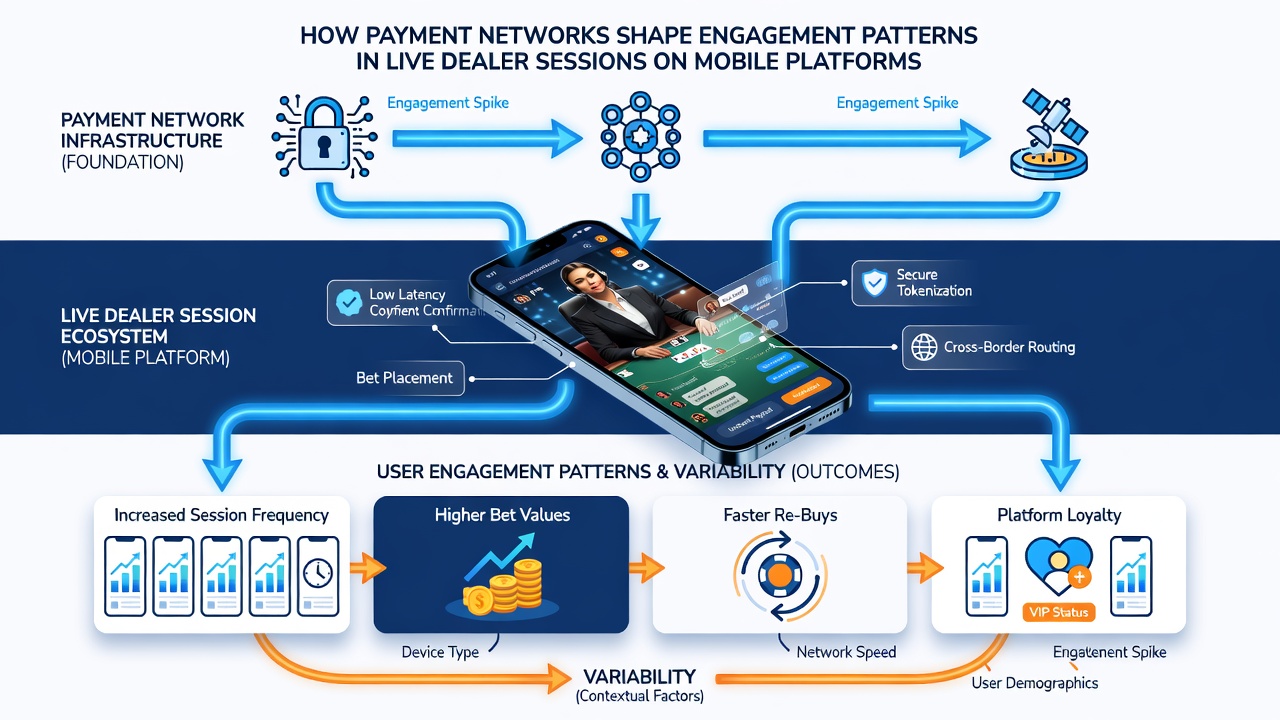
Varied support structures also shape how players respond to payment failures or delays, and industry analyses reveal that platforms providing in-app chat alongside automated retry functions retain more users during live sessions than those directing participants to external help portals. Experts examining these intersections point out that seamless error handling within the payment layer correlates with fewer abandoned tables, especially in sessions involving multiple dealers or multi-table play.
Network Integration Effects on Game Selection
Evidence from mobile gaming analytics platforms demonstrates that payment network compatibility influences which live dealer games receive the most playtime, and tables accepting a broader range of instant options tend to attract repeated visits from the same user base. Those monitoring cross-platform trends note that blackjack sessions often extend further on devices where digital wallet integrations allow quick top-ups without interrupting the dealer interaction, whereas baccarat tables show steadier but shorter patterns when users rely on slower card networks. The reality is that support structures handling multi-currency transactions without conversion delays enable broader geographic participation, and this expands engagement diversity during overlapping time zones.
According to reports from the European Gaming and Betting Association, platforms adapting their payment layers to accommodate both high-volume mobile traffic and specialized live dealer protocols experience more consistent session metrics across different device types. Networks that prioritize low-latency connections between the payment gateway and the game server reduce interruptions, which in turn affects how frequently participants switch between tables or invite others through referral features tied to account funding.
Conclusion
Payment networks continue to reshape engagement patterns in live dealer mobile sessions through their influence on transaction efficiency, support responsiveness, and compatibility with varied platform architectures, and ongoing developments through July 2026 suggest further refinements as regulatory frameworks evolve. Observers tracking these systems emphasize that data-driven adjustments to mobile payment flows produce measurable differences in session behavior, and operators who align their support structures accordingly maintain steadier participation across live dealer offerings.