Mapping User Feedback Loops: Connections Between Assistance Interactions and Preferred Funding Options in Virtual Casino Settings
Written by Quinn Lange · Jun 14, 2026
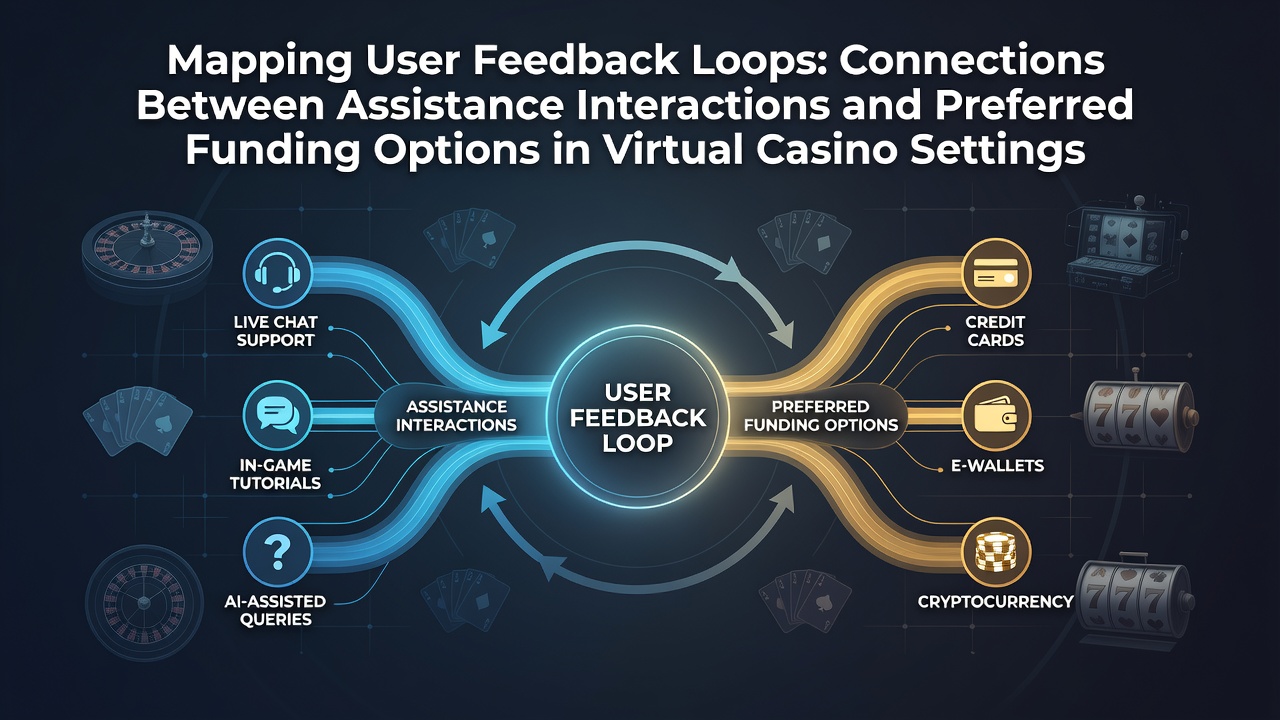
Mapping User Feedback Loops: Connections Between Assistance Interactions and Preferred Funding Options in Virtual Casino Settings
Virtual casino platforms have developed intricate systems to track how player interactions with assistance teams influence choices around deposit and withdrawal methods, and researchers continue to examine these feedback loops for patterns that emerge across different markets. Data from multiple jurisdictions shows that response times, problem resolution rates, and the types of queries handled by support staff often correlate with shifts in preferred payment options, while platform operators adjust their systems based on aggregated user behavior metrics.
Defining Feedback Loops in Digital Gambling Environments
Feedback loops form when players contact support regarding transaction issues, then modify their funding preferences in subsequent sessions, which in turn generates new data that support teams use to refine responses. According to reports compiled by the Nevada Gaming Control Board through early 2026, platforms recorded measurable changes in e-wallet adoption following targeted support interventions around payment verification processes. These cycles repeat as players test different methods and report outcomes back through chat or email channels.
Key Components of Assistance Interactions
Assistance teams handle queries ranging from failed deposits to withdrawal delays, and each exchange contributes data points that platforms aggregate into user profiles. Studies conducted by the University of Nevada, Reno gaming research group found that players who receive detailed explanations about processing times tend to stick with the same funding method for longer periods, whereas those encountering repeated errors often switch providers within one or two sessions. Response quality and follow-up communication play direct roles in shaping these decisions.
Preferred Funding Options and Their Evolution
Payment preferences in virtual settings have shifted toward instant options such as digital wallets and cryptocurrency transfers, with traditional bank transfers declining in several regions. Figures released by the Canadian Gaming Association in 2025 indicated that support interactions around verification requirements frequently precede moves to alternative methods that require fewer document submissions. Platforms track these transitions through internal analytics that link each support ticket to subsequent transaction logs.
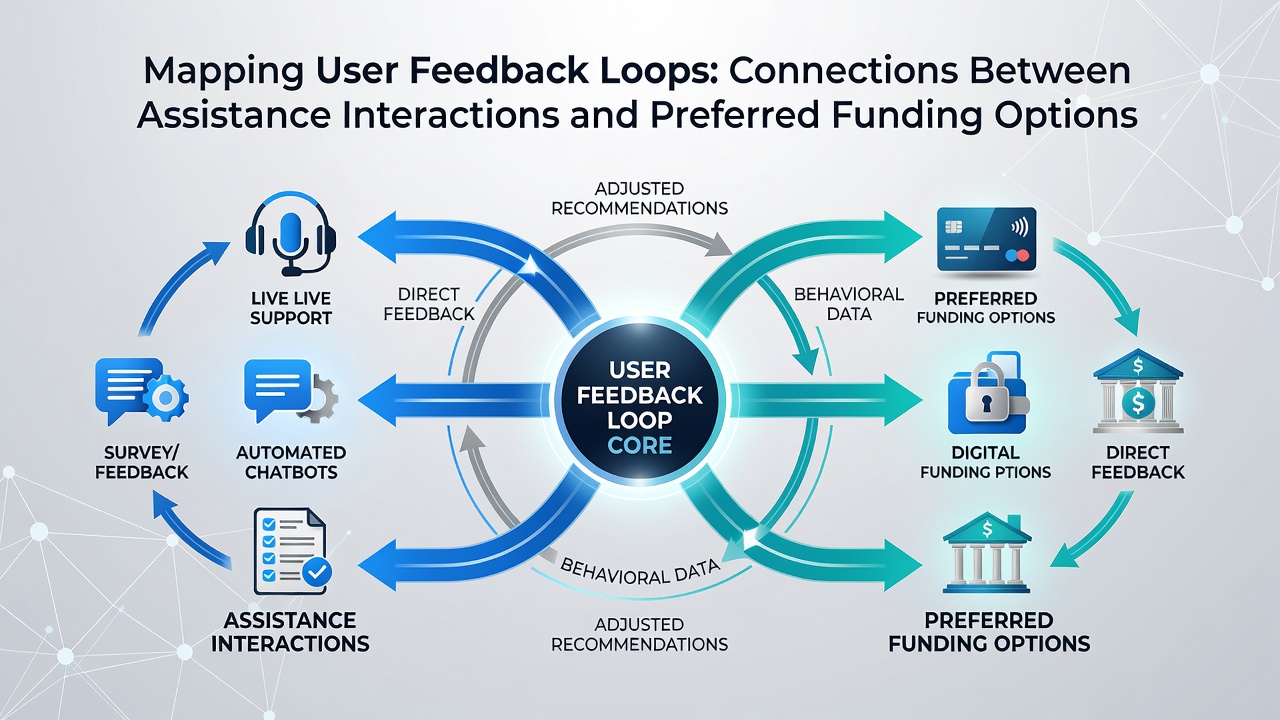
Operators integrate this information into recommendation engines that suggest funding options based on past support history, yet regulatory requirements in places like Australia continue to mandate clear disclosure of all available methods regardless of algorithmic nudges. The Australian Communications and Media Authority has monitored these practices and noted stable adoption rates for regulated payment gateways throughout the first half of 2026.
Observed Connections Across Platforms
Patterns emerge when support logs are cross-referenced with transaction histories, revealing that certain query types predict specific funding changes. For instance, delays in credit card processing often lead players toward e-wallets after a single follow-up interaction, while cryptocurrency users who encounter wallet address issues sometimes revert to established banking channels following successful resolutions. Research published by the European Gaming Institute in late 2025 documented these correlations across multiple operator datasets, highlighting regional variations tied to local banking infrastructure.
Platform updates in June 2026 incorporated more granular tagging of support tickets, allowing finer mapping of how initial contact reasons connect to long-term payment loyalty. Those who studied these systems note that feedback intensity increases when players experience the same issue across different funding types, prompting broader method diversification in their accounts.
Data Collection Methods and Analytical Approaches
Operators employ session tracking combined with ticket categorization to build loop models, while independent analysts apply statistical techniques to identify causal links rather than mere associations. The National Council on Problem Gambling has referenced similar data frameworks in its reports on player behavior monitoring, emphasizing transparency requirements that affect how support data feeds into payment suggestions. External audits verify that these connections remain within compliance boundaries set by each jurisdiction.
Case examples from operators in multiple markets show that targeted training for support staff on common funding questions reduces repeat contacts, which subsequently stabilizes payment method selections. This stability appears in aggregate statistics as longer intervals between method switches following improved first-contact resolution rates.
Regulatory Influences on Feedback Mapping
Rules governing data usage and player communication shape how platforms can act on observed loops. In Canada, provincial regulators require explicit consent before support data influences automated payment recommendations, while U.S. state frameworks vary in their approach to transaction record integration. Observers note that these differences create distinct loop dynamics depending on the regulatory environment players encounter.
Industry reports from the Gaming Standards Association detail ongoing efforts to standardize data fields used in feedback analysis, which could enable cross-platform comparisons in coming years. Such standardization would help clarify whether assistance patterns drive funding shifts uniformly or remain tied to specific operator implementations.
Conclusion
Mapping these feedback loops provides platforms with tools to align support processes with payment ecosystems, and continued examination of interaction data reveals consistent relationships between resolution experiences and method preferences. Regulatory oversight ensures these mappings respect player protections while supporting operational improvements across virtual casino environments.