Links Between Funding Sources and Decision-Making in Mobile Live Gaming
Written by Quinn Lange · Jun 7, 2026
Links Between Funding Sources and Decision-Making in Mobile Live Gaming
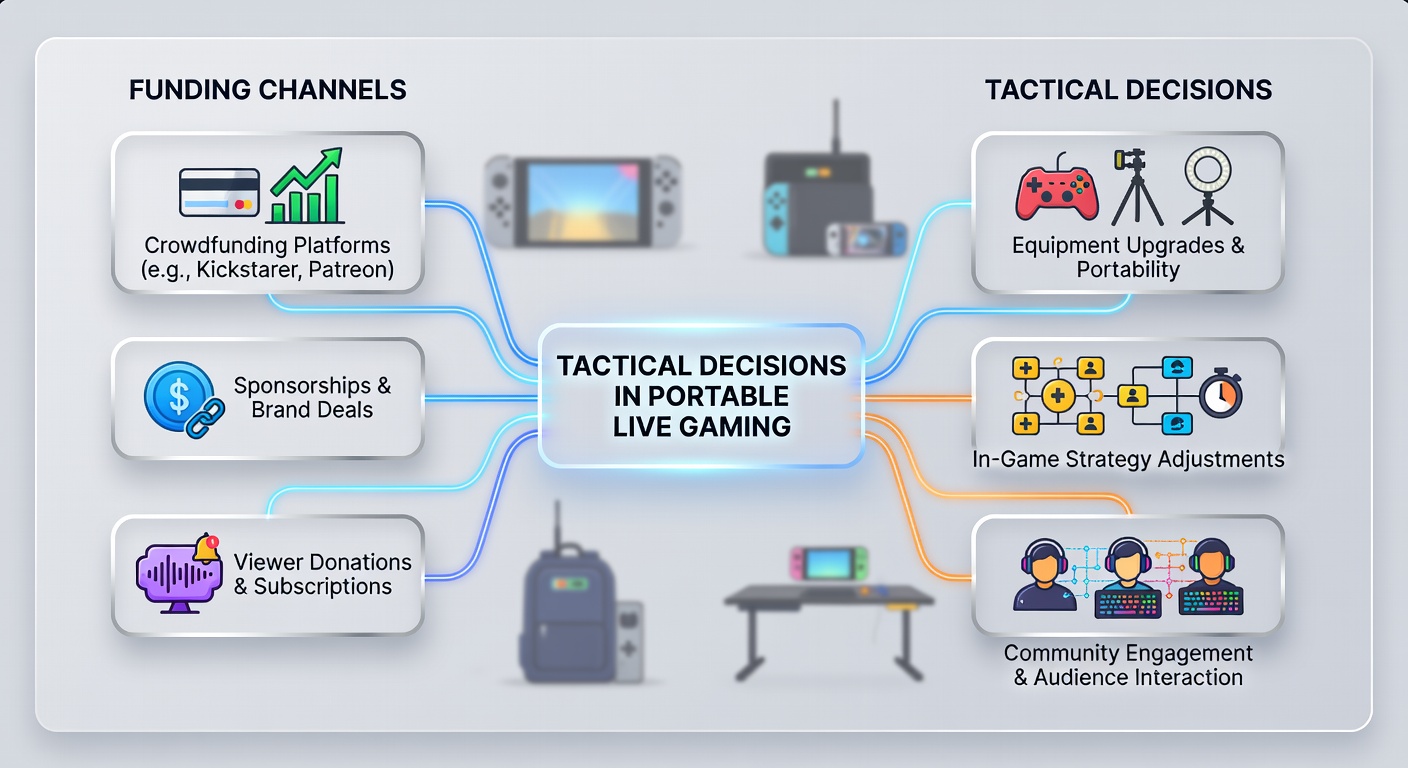
Payment channels in portable live gaming sessions connect directly to how players approach real-time decisions during games such as blackjack, roulette, and baccarat on smartphones and tablets. Data from industry reports indicate that deposit speed, transaction limits, and method availability shape bet sizing, session duration, and risk management choices across digital platforms.
Instant funding options, including e-wallets and certain bank transfers, allow participants to adjust stakes mid-round without interruption, whereas slower card processing or wire services often lead to pre-planned betting sequences that account for potential delays. Figures from regulatory filings reveal that mobile sessions using instant methods average 12 percent longer durations compared with those reliant on delayed approvals.
Payment Channel Categories and Their Operational Effects
Observers note several primary funding categories in portable environments. Digital wallets process transfers in seconds and support frequent small deposits, which correlate with incremental bet adjustments during live dealer rounds. Bank-linked apps provide similar speed yet impose daily caps that influence how users allocate funds across multiple tables. Cryptocurrency channels, though less common in some regions, offer near-instant settlement and appeal to players managing variable volatility in live sessions.
Research from academic sources shows that users of instant channels tend to shift from conservative opening bets to more aggressive follow-ups once session momentum builds, because replenishment remains frictionless. In contrast, those employing prepaid vouchers or manual bank uploads often lock in initial stake levels and avoid mid-session changes to stay within pre-approved amounts.
Data Patterns from Recent Regulatory Releases
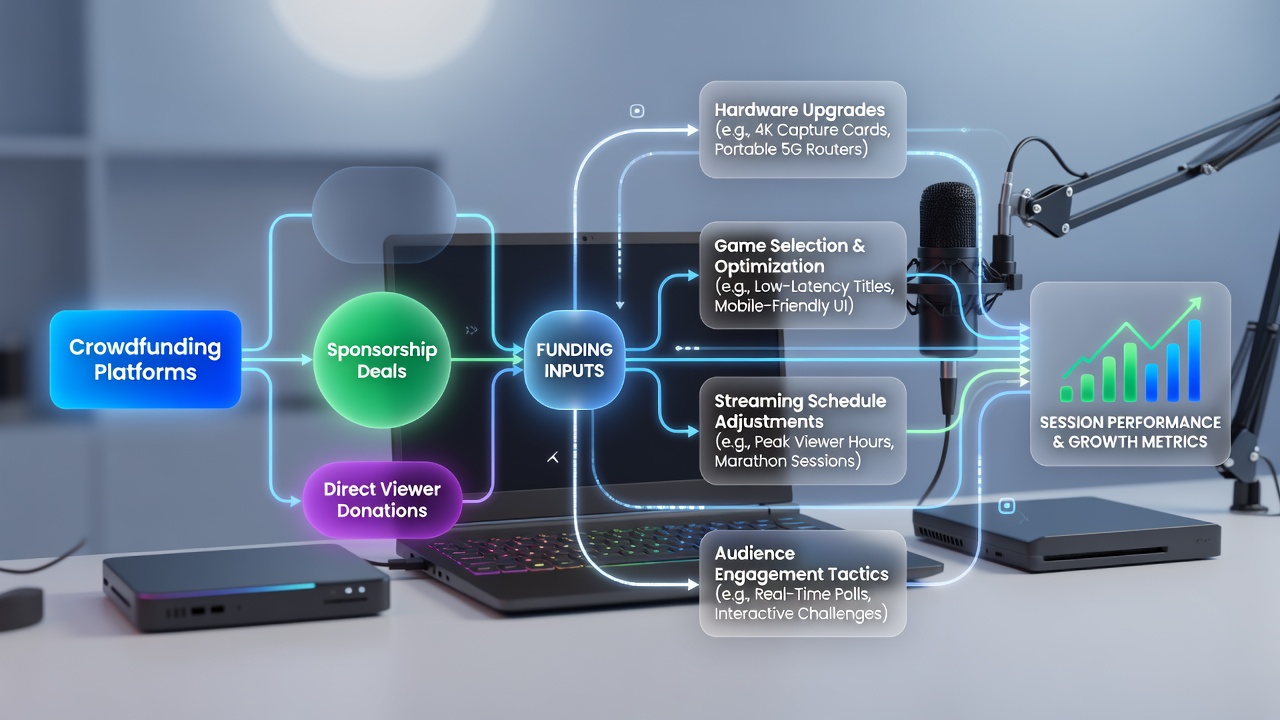
Statistics released in June 2026 by multiple oversight bodies across North America and Europe documented measurable shifts in mobile live gaming behavior tied to funding infrastructure upgrades. Platforms that added new instant deposit rails reported increases in average bets per round alongside higher session restart rates after short breaks. These patterns emerged consistently in jurisdictions where live dealer traffic constitutes over 40 percent of mobile handle.
Industry organizations tracking transaction logs further indicate that withdrawal processing times feed back into deposit strategies, with users who anticipate quick cash-outs choosing funding methods that mirror those same timelines. This alignment reduces idle capital and supports repeated entry into live tables within the same day.
Geographic and Platform Variations
Canadian provincial data from iGaming Ontario demonstrates that players in regions with integrated banking APIs execute tactical switches between tables more frequently than those in markets where manual verification remains standard. Australian regulatory summaries echo similar findings, noting that funding channel diversity expands the range of viable session lengths for live games. European operators, operating under varying national frameworks, show parallel trends where faster methods coincide with elevated per-session volumes during peak evening hours.
Platform architecture plays an additional role. Applications that embed one-tap funding within the live dealer interface reduce friction and encourage smaller, repeated deposits that align with real-time probability assessments. Standalone payment portals, by comparison, prompt users to complete larger initial transfers before entering sessions, which correlates with more rigid pre-set betting plans.
Strategic Implications for Live Dealer Play
Those who monitor transaction confirmations alongside card counts or wheel outcomes often synchronize funding choices with game pace. Quick-reload methods support split-second decisions on doubling down or side bets, while methods requiring extra authentication steps encourage conservative play until confirmation arrives. Case studies compiled by research institutions highlight sessions where participants using hybrid funding approaches maintained steadier bankroll curves across extended live sequences.
Regulatory updates scheduled for later in 2026 are expected to expand approved instant channels in additional markets, which analysts anticipate will further tighten the relationship between available funding speed and in-game tactical flexibility. Existing datasets already demonstrate that platforms offering broader method selections record higher rates of repeated mobile live participation.
Conclusion
Connections between funding channels and tactical decisions in portable live gaming sessions rest on measurable operational factors including transaction speed, limit structures, and platform integration. Data collected through 2026 continue to map these relationships across regions, showing consistent patterns in how deposit mechanics shape bet timing and session management without altering underlying game mathematics. Continued monitoring by oversight bodies will track how new infrastructure changes influence these dynamics in coming periods.