How Transaction Security Protocols Shape Player Tactics for Bonus Claims and Live Dealer Sessions on Portable Platforms
Written by Wendy Perry · Aug 4, 2026
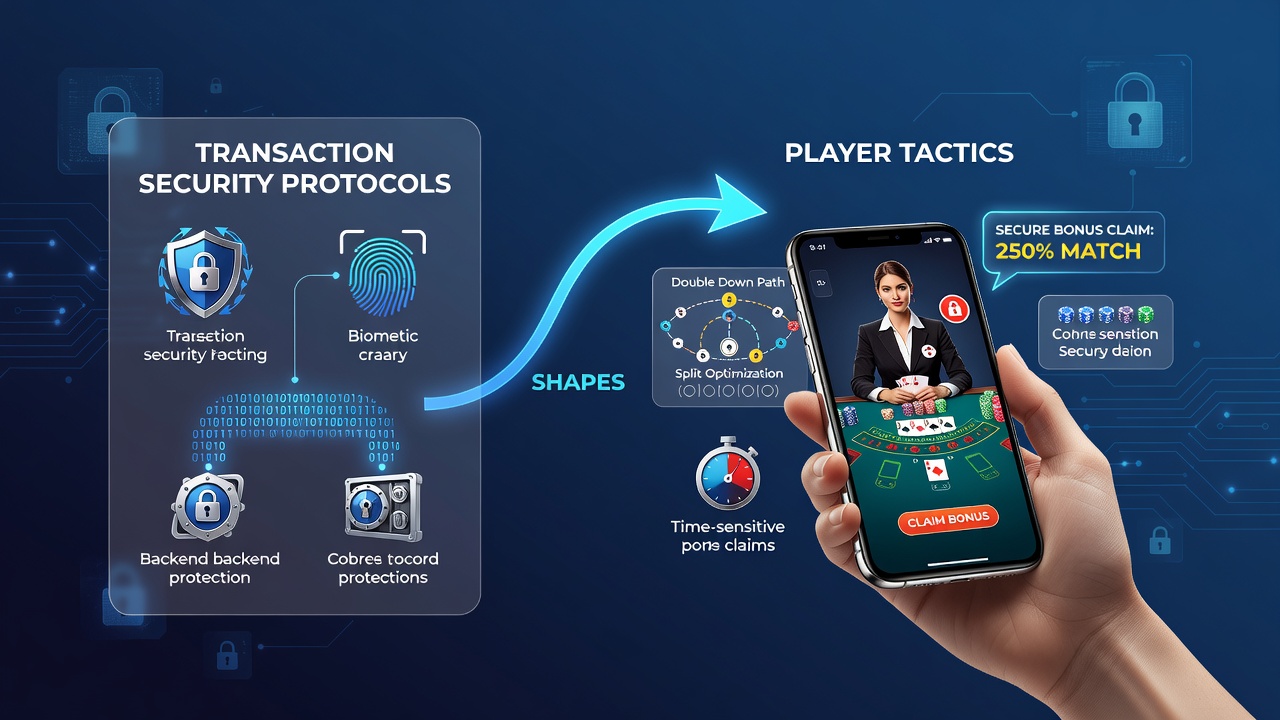
How Transaction Security Protocols Shape Player Tactics for Bonus Claims and Live Dealer Sessions on Portable Platforms
Transaction security protocols have become central to how players approach bonus claims and live dealer sessions on portable platforms, with encryption standards, authentication layers, and real-time verification systems dictating the timing, frequency, and methods users employ to access promotions or join interactive tables. Data from the Alcohol and Gaming Commission of Ontario shows that mobile gambling transactions processed through multi-factor authentication systems increased by 47 percent between 2024 and 2026, forcing players to adapt their strategies around verification windows that often last several minutes before a bonus code activates. Those who have studied these patterns note that delays introduced by security checks encourage users to prepare documentation or linked payment methods in advance, particularly when claiming time-sensitive welcome bonuses that expire within hours of registration.
Encryption Standards and Their Influence on Bonus Timing
Modern encryption protocols such as TLS 1.3 combined with tokenization require mobile applications to establish secure channels before processing any bonus-related data, which means players often complete verification steps on stable Wi-Fi connections rather than cellular networks that might trigger additional security flags. Research from the Australian Institute of Criminology indicates that platforms using end-to-end encryption see higher completion rates for bonus claims when users remain connected for the full duration of the handshake process, whereas interrupted sessions frequently result in forfeited offers. Observers note that many experienced mobile users now schedule bonus activations during periods of low network congestion, typically early morning hours in their local time zones, because security systems prioritize uninterrupted data flows and may flag rapid successive attempts as suspicious activity.
Two-factor authentication tied to transaction security further shapes these tactics by requiring players to switch between the casino app and an external messaging service, a process that can take 30 to 90 seconds depending on carrier speed. Those who've tracked user behavior across multiple operators report that individuals frequently copy bonus codes into notes applications beforehand to minimize time spent outside the secure environment, reducing the risk of session timeouts that could invalidate the claim entirely.
Live Dealer Sessions and Real-Time Verification Demands
Live dealer environments on portable devices introduce additional layers of security because video streams and chat functions operate alongside financial transactions, requiring continuous authentication throughout the session. According to figures released by the New Jersey Division of Gaming Enforcement in August 2026, mobile live dealer participation rose 31 percent year-over-year, coinciding with stricter implementation of device fingerprinting that logs unique hardware identifiers to prevent account sharing. Players respond to these measures by maintaining consistent device usage patterns, avoiding VPN switches mid-session that might force re-authentication and interrupt ongoing bets at roulette or blackjack tables.
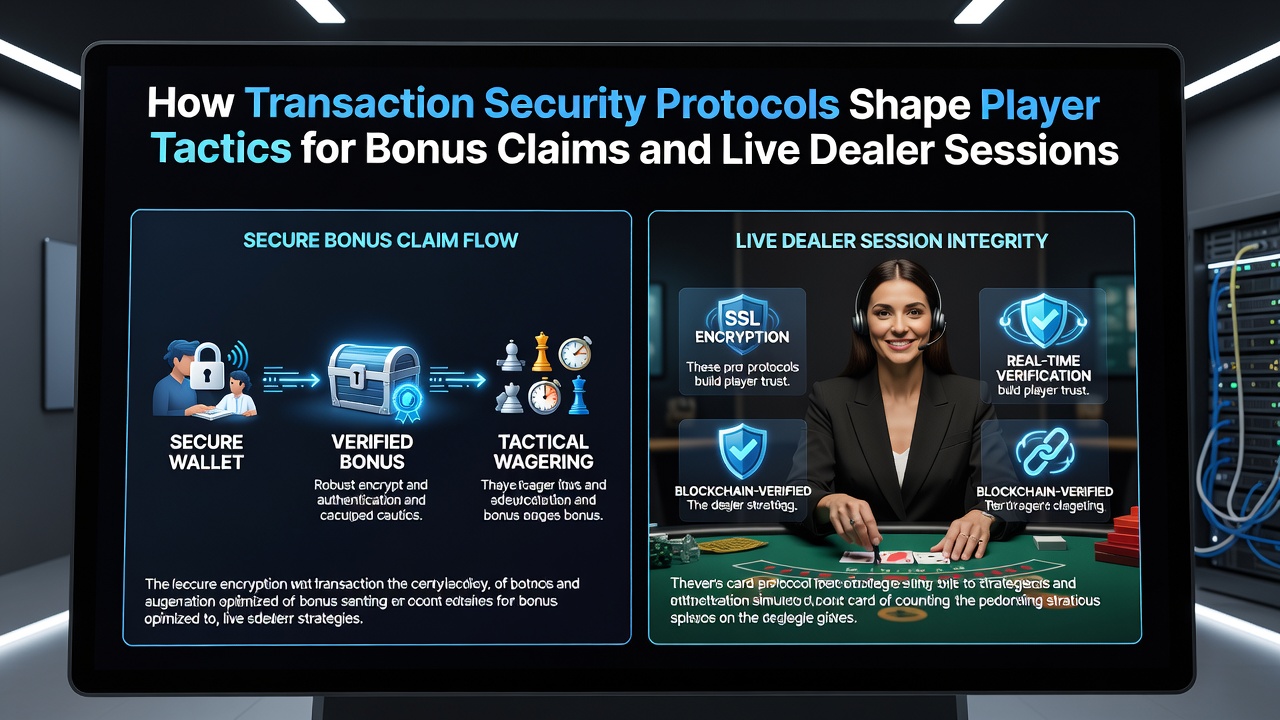
Security protocols also affect how users manage bankroll transfers during live sessions, since instant deposit features often trigger additional confirmation steps when the system detects rapid balance changes. Experts have observed that many participants preload their accounts before entering live dealer lobbies, allowing them to focus on gameplay without pausing for security checks that could cause them to miss betting windows. This approach proves especially relevant on platforms where live tables operate on strict round timers, and any interruption risks exclusion from the current hand or spin.
Device-Specific Adaptations and Cross-Platform Security
Portable platforms vary significantly in how they implement biometric authentication alongside traditional passwords, with fingerprint and facial recognition options reducing friction for returning users while still satisfying regulatory requirements for transaction verification. Data indicates that players on iOS devices tend to complete bonus claims faster than Android users because of more standardized biometric APIs, leading some to prefer specific hardware when pursuing high-value promotions. Those monitoring industry trends point out that operators increasingly tie security levels to device trust scores, meaning users who frequently clear cache or switch phones encounter more verification hurdles that delay both bonus activation and live dealer entry.
Geolocation requirements integrated into security frameworks add another dimension, compelling players in regulated markets to remain within approved boundaries during both bonus claims and live sessions. Research shows that individuals traveling across state lines often plan their mobile activity around known secure locations, using saved Wi-Fi networks that have previously passed compliance checks rather than risking public connections that may prompt extra authentication layers.
Conclusion
Transaction security protocols continue to evolve alongside mobile gambling technology, creating structured environments where players develop precise routines around verification timing, device consistency, and session preparation. These adaptations reflect the practical intersection of regulatory compliance and user behavior on portable platforms, with data from multiple jurisdictions confirming that security measures directly influence when and how individuals pursue bonuses or engage with live dealer content. As platforms refine their systems further, the patterns established in 2026 suggest that future tactics will remain closely aligned with the technical requirements of secure transaction processing.