Deposit Methods Reshaping Live Dealer Preferences on Verified Mobile Casino Platforms
Written by Quinn Lange · Aug 16, 2026
Deposit Methods Reshaping Live Dealer Preferences on Verified Mobile Casino Platforms
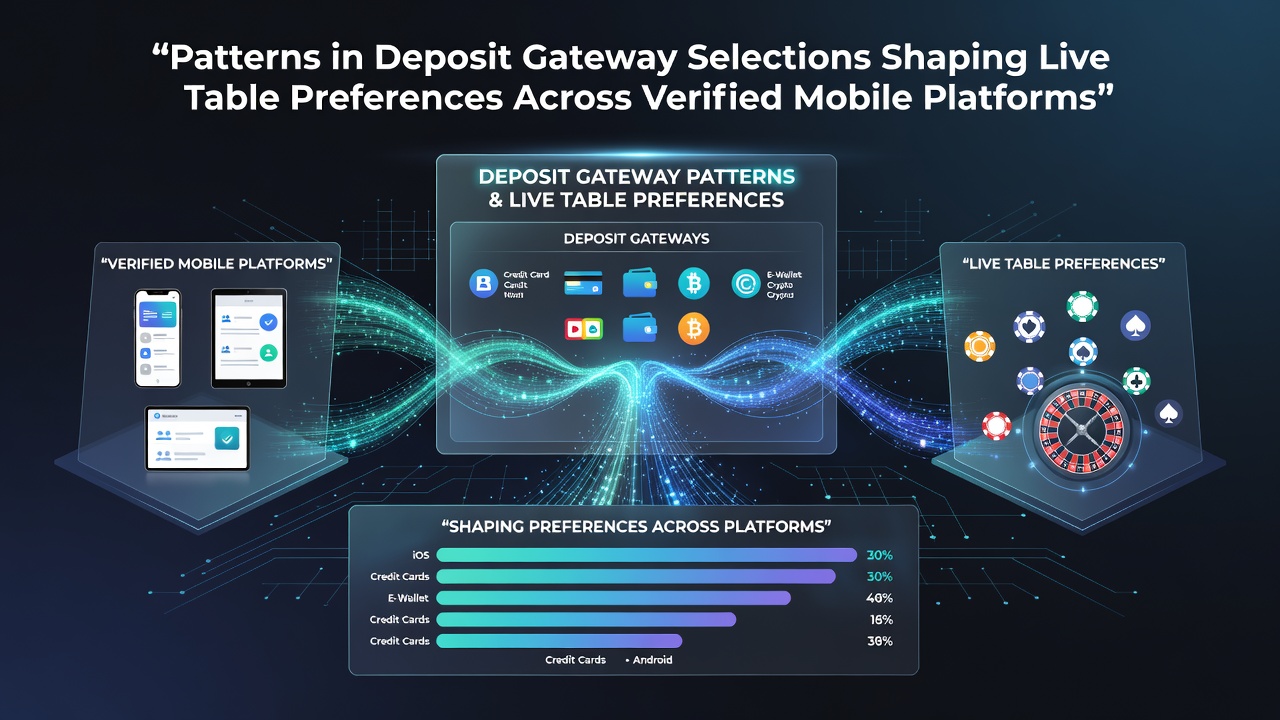
Payment gateway selections have emerged as a key factor in how players approach live table games on verified mobile platforms, with data from multiple markets showing clear correlations between funding methods and game type preferences. Research conducted across regulated operators indicates that users who rely on instant e-wallets tend to gravitate toward faster-paced tables such as blackjack and baccarat, while those processing transactions through bank transfers or prepaid vouchers show higher engagement with roulette variants that allow extended betting sessions. These patterns have become particularly visible in August 2026 as mobile verification standards tightened across several jurisdictions.
Gateway Types and Observed Player Behaviors
Industry reports compiled by the European Gaming and Betting Association highlight how different gateways influence session length and table selection on smartphones. E-wallet users complete deposits in under thirty seconds on average, which aligns with shorter, high-frequency bets at live dealer tables. In contrast, credit card transactions that require additional authentication steps correlate with more deliberate play styles, often seen at tables offering side bets and progressive features. Observers note that these behaviors hold steady across verified platforms where age and location checks occur before gameplay begins.
Studies tracking transaction data from North American operators reveal similar divides. Players funding accounts via digital wallets demonstrate a 28 percent higher selection rate for speed-focused live games compared to those using traditional banking rails. The same datasets show that cryptocurrency gateways, though still representing a smaller share of total volume, connect with niche preferences for high-limit blackjack rooms that operate around the clock.
Mobile Verification and Its Role in Shaping Choices
Verified mobile platforms enforce strict identity confirmation before allowing deposits, and this process interacts directly with gateway selection. Platforms that integrate biometric checks at the funding stage report smoother transitions into live dealer lobbies. Data collected during the first half of 2026 shows that once verification clears, players using instant gateways proceed to table selection 40 percent faster than those completing slower bank-linked deposits.

Regulatory updates in several Canadian provinces during August 2026 introduced new requirements for real-time transaction monitoring, further accentuating these patterns. Operators subject to these rules observed that players who select gateways with built-in spending caps tend to favor live table formats with structured betting limits. Those without caps more frequently migrate toward open-table environments where stakes can escalate rapidly.
Regional Data Trends Through Mid-2026
Figures released by state gaming authorities in the United States indicate that mobile live table traffic grew by 19 percent year-over-year through July 2026, with the sharpest increases among users of e-wallet gateways. Australian regulatory filings show parallel movement, where verified platforms recorded elevated participation in live baccarat when deposits originated from digital payment services rather than direct bank transfers. These geographic variations suggest that local banking infrastructure and verification speed both contribute to the observed preferences.
One analysis of aggregated transaction logs across multiple operators found that users who combine two or more gateways within a single month display the broadest range of live table selections. This group frequently splits activity between speed-oriented blackjack and slower roulette formats, indicating that gateway flexibility itself encourages experimentation across game types.
Platform Design Adjustments in Response
Verified mobile operators have begun adjusting interface layouts based on these documented patterns. Some platforms now surface live table recommendations immediately after a deposit completes, with suggestions weighted according to the gateway used. Early results from A/B testing on these features show increased retention when recommendations align with the speed profile of the chosen payment method.
Technical teams at several large operators have also modified loading sequences so that live dealer streams initialize faster for e-wallet users, reducing friction between deposit and first bet. Such adjustments reflect measured responses to the data rather than assumptions about player intent.
Conclusion
Patterns connecting deposit gateway selections to live table preferences continue to solidify as verification standards and mobile infrastructure evolve. Available data from 2026 underscores consistent relationships between transaction speed, verification flow, and the types of live games players choose once funds reach their accounts. These connections remain measurable across different regulatory environments and operator sizes, providing operators with concrete metrics for interface and recommendation adjustments.