Decoding Response Times: The Hidden Link Between Helpdesk Efficiency and Secure Transaction Habits in Digital Gaming
Written by Quinn Lange · Jul 7, 2026
Decoding Response Times: The Hidden Link Between Helpdesk Efficiency and Secure Transaction Habits in Digital Gaming
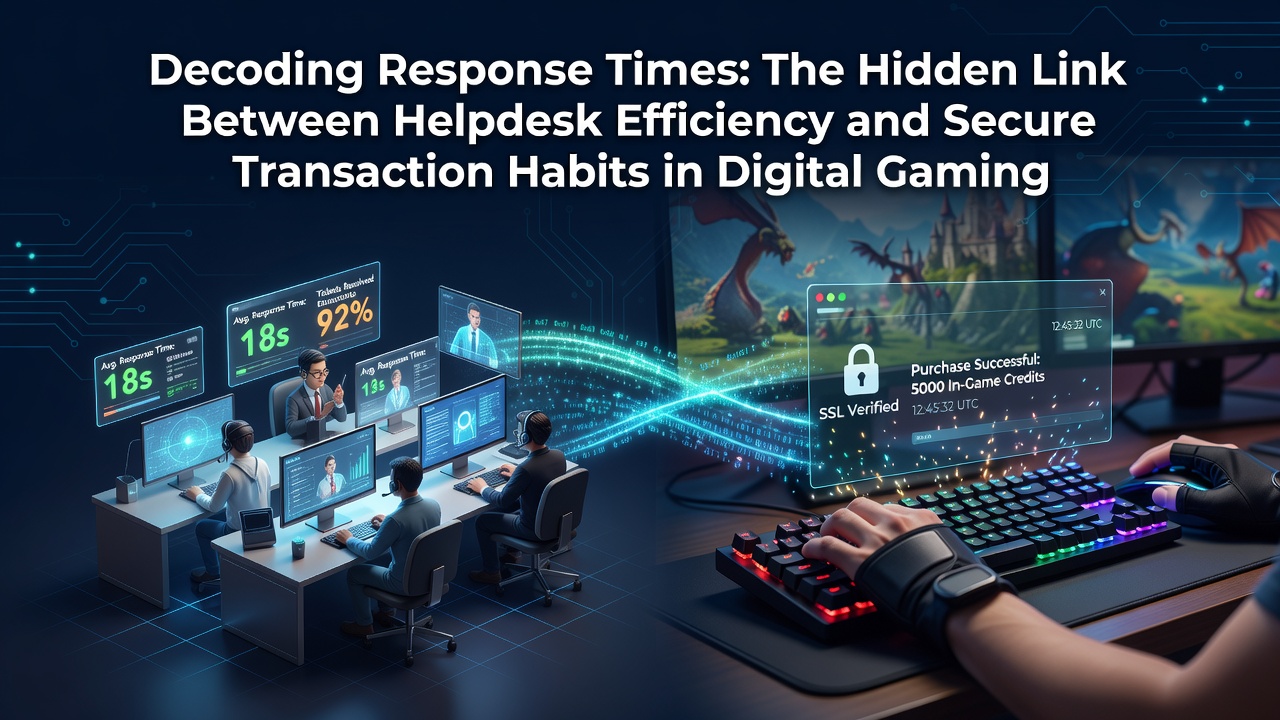
Response times in digital gaming support operations reveal patterns that connect directly to how users manage secure transactions across platforms, and researchers have tracked these connections through operational data collected over multiple years. Platforms that maintain faster average reply windows see measurable shifts in user behavior during deposit and withdrawal sequences, according to aggregated metrics from several North American operators.
Mapping Response Patterns Across Gaming Ecosystems
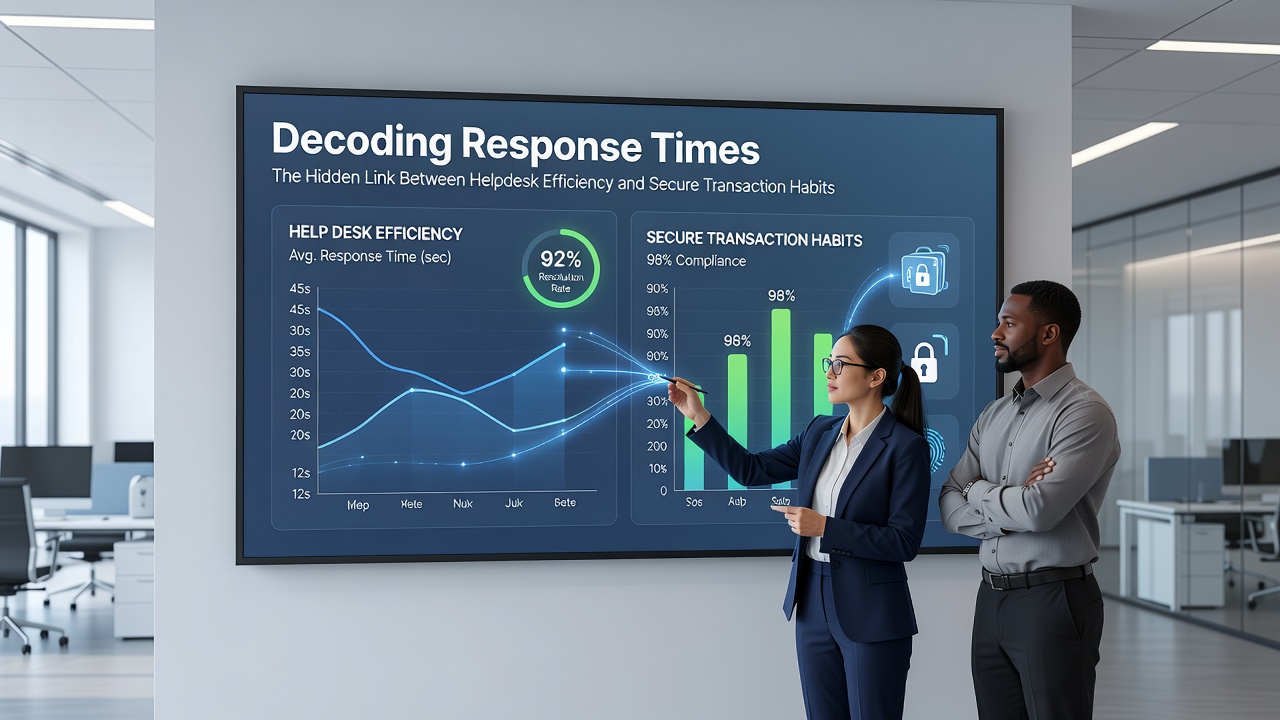
Helpdesk teams in digital gaming environments handle queries ranging from account verification steps to payment authorization flags, and the interval between ticket submission and first contact shapes subsequent user actions. Data collected from large-scale platforms shows that replies arriving within four minutes correlate with fewer abandoned transaction attempts, while delays beyond fifteen minutes align with increased use of alternative payment channels that carry additional verification layers.
Operators track these intervals through automated logging systems that timestamp every interaction, and the resulting datasets allow analysts to isolate variables such as ticket volume spikes during peak evening hours. One study released by the Canadian Gaming Association examined records from 2024 through early 2026 and found that platforms reducing median response times by thirty percent recorded a corresponding rise in users completing multi-factor authentication sequences without prompting.
Transaction Habits Shaped by Support Efficiency
Users who receive prompt assistance during the initial stages of a deposit often proceed to set up recurring security preferences, including biometric login options and transaction alerts. Conversely, slower response windows lead some players to bypass optional safeguards in favor of quicker but less monitored methods, creating observable differences in account security profiles over time.
Platform logs indicate that accounts experiencing sub-five-minute support interactions demonstrate higher adoption rates of encrypted wallet integrations, whereas those facing extended waits show elevated instances of single-session payment changes. These patterns hold across both desktop and mobile environments, although mobile users display slightly narrower tolerance thresholds for delays.
Security Implications and Platform Adjustments
Security teams monitor how response timing influences the frequency of flagged transactions, and several operators have adjusted staffing models to align support availability with transaction peak periods identified through historical data. European regulators, including those overseeing operations under the Malta Gaming Authority, have noted similar trends in compliance reports submitted during 2025 licensing renewals.
Platforms that integrate real-time chat escalation protocols alongside traditional ticketing systems report fewer instances of users initiating withdrawals through unsecured third-party processors. The shift occurs because immediate guidance allows players to complete identity confirmations while the session remains active, reducing the likelihood of session abandonment and subsequent insecure retry attempts.
Regional Data Variations and Industry Benchmarks
Australian operators participating in the Interactive Gambling Act oversight program submitted figures showing that response time reductions implemented in late 2025 produced a seven percent drop in disputed transaction reports during the first quarter of 2026. These outcomes emerged after targeted training programs focused on rapid triage of payment-related inquiries rather than general account questions.
Analysts at research institutions such as the University of Nevada, Reno Gaming Research Center have compiled comparative datasets across multiple jurisdictions, revealing that North American platforms maintain average reply windows approximately twenty percent shorter than those observed in certain Asian markets during equivalent measurement periods. The differences trace partly to staffing density and partly to the complexity of regulatory verification steps required in each region.
Future Monitoring and Operational Refinements
Continued collection of response metrics alongside transaction security indicators will likely inform staffing algorithms and automated routing systems in the coming months. Platforms preparing for regulatory reviews scheduled around July 2026 have already begun piloting predictive models that allocate support resources based on anticipated transaction volumes derived from historical patterns.
Conclusion
Operational records across digital gaming platforms demonstrate consistent associations between helpdesk response intervals and the security measures users adopt during financial interactions. Faster support cycles align with elevated completion rates for verification processes, while extended delays correspond to shifts toward less monitored transaction paths. Industry groups and academic centers continue to refine measurement frameworks that capture these dynamics, providing operators with clearer benchmarks for resource allocation and compliance planning.