Connecting Payment Velocities to Shifts in Mobile Live Dealer Tables
Written by Quinn Lange · Jul 21, 2026
Connecting Payment Velocities to Shifts in Mobile Live Dealer Tables
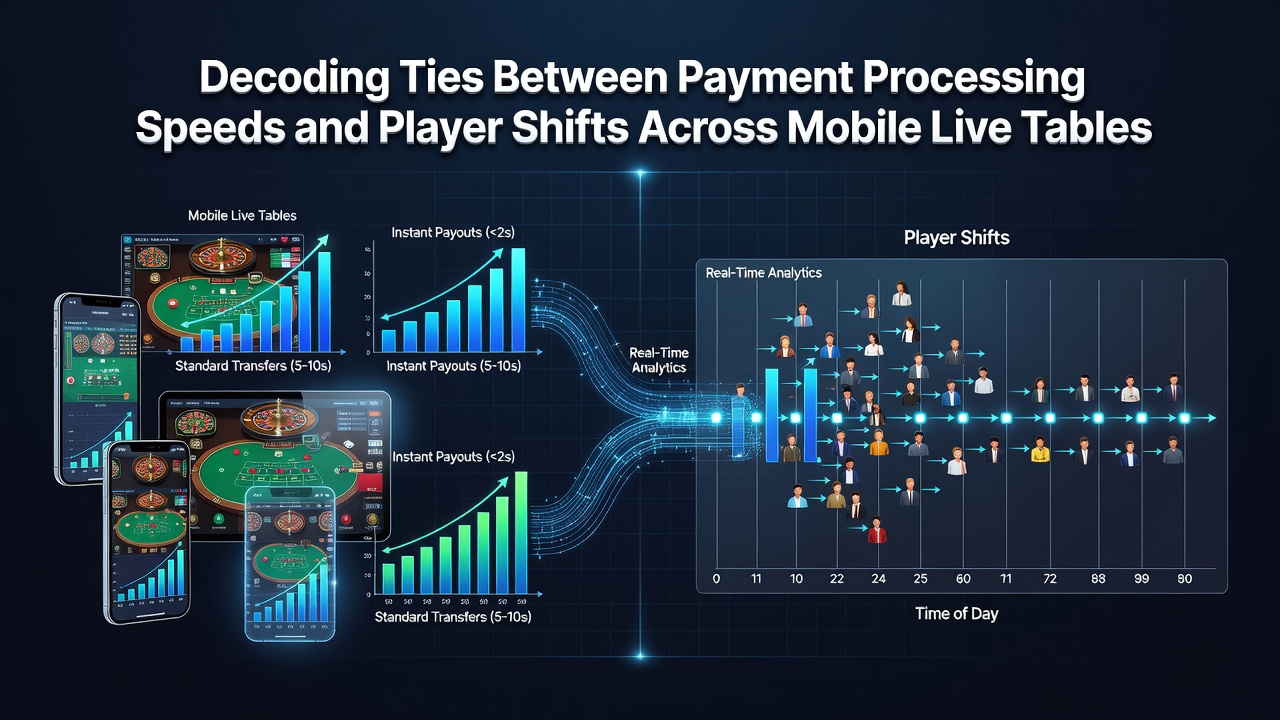
Payment processing speeds have become a key factor in how players move between mobile live dealer tables, with faster transaction times correlating to quicker decisions on table changes. Observers note that when deposits and withdrawals complete in seconds rather than minutes, users often switch tables more frequently to chase different game variants or dealer styles. Research from industry reports shows this pattern holds across platforms where instant funding options integrate directly with live streaming interfaces.
Mechanics of Transaction Speed in Live Environments
Live dealer tables on mobile devices rely on seamless payment gateways that handle both incoming funds for continued play and outgoing cashouts without interrupting the stream. Those who've studied user logs find that delays beyond 30 seconds prompt some players to abandon a table mid-hand, whereas sub-10-second processing keeps sessions fluid. Data indicates payment networks using real-time rails such as certain digital wallets reduce friction that historically caused players to stick with one table longer.
Platform operators have adjusted backend systems so that balance updates appear instantly on screen, allowing participants to evaluate their position and migrate if the current dealer or table limits no longer suit their approach. Experts have observed that this capability proves especially noticeable during peak evening hours when multiple tables run simultaneously.
Observed Patterns in Player Movement
Analyses of session data reveal that tables supporting the quickest payment confirmations experience higher turnover rates, with users hopping between blackjack, roulette, and baccarat variants within single visits. One study revealed that platforms with average processing under 15 seconds saw a measurable uptick in table switches compared to slower counterparts. Players often discover they can test a new dealer after a quick deposit without waiting for funds to clear.
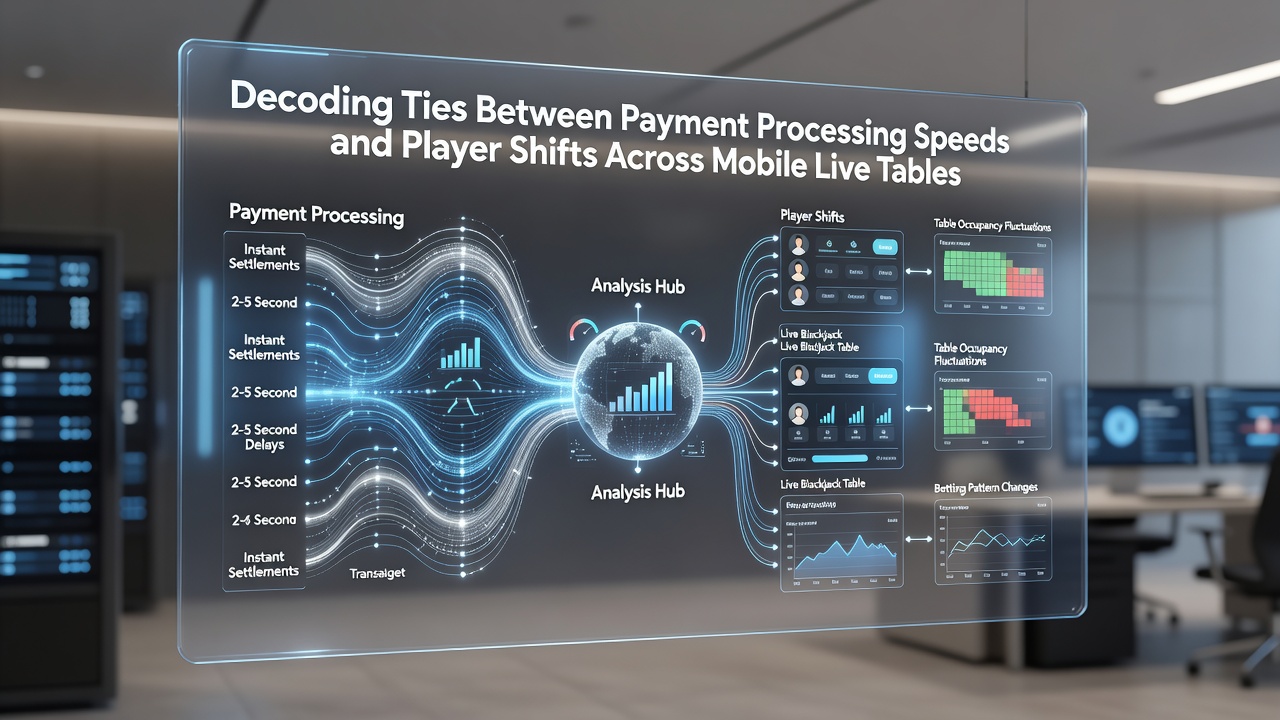
Those monitoring behavioral metrics report that the effect appears strongest among users on 5G networks, where both video latency and payment confirmations align closely. Figures from regulatory filings in multiple jurisdictions show this dynamic influencing how operators allocate dealer resources across live streams, with faster tables drawing repeated short visits rather than extended stays.
Regional Data and Regulatory Context
According to records maintained by the New Jersey Division of Gaming Enforcement, mobile live table activity in that state has grown alongside improvements in payment infrastructure, with transaction speed metrics tracked as part of operational reviews. Similar patterns appear in reports issued by the Malta Gaming Authority, where cross-border mobile play highlights differences in processing times between various funding methods. Researchers discovered that regions with standardized real-time payment protocols experience more predictable player flow between tables.
Industry associations have compiled data showing that e-wallet integrations consistently outperform traditional card processing in speed tests, leading to distinct shift behaviors. Observers note these differences become pronounced when comparing sessions across devices, with tablets often displaying faster balance refreshes than smartphones due to hardware variations.
Technological Factors Driving the Connection
Backend reconciliation processes now incorporate automated triggers that update live feeds the moment a transaction settles, reducing the gap between cash movement and gameplay resumption. Studies found that APIs linking payment processors directly to table management software enable this synchronization, which in turn supports fluid player navigation. Those who've examined code repositories note that recent updates prioritize these handoffs to minimize downtime.
Network stability plays a supporting role, yet payment velocity remains the primary variable tied to table transitions in controlled tests. Data shows that even brief interruptions in processing prompt some users to close the app and reopen elsewhere, fragmenting what might have been a continuous session.
Conclusion
The relationship between payment processing speeds and player shifts across mobile live tables rests on measurable technical and behavioral data rather than isolated incidents. As platforms continue refining transaction pathways, patterns in table movement are expected to evolve in line with those infrastructure changes, according to ongoing monitoring by regulatory bodies and research groups. This connection underscores how backend efficiencies translate into observable differences in how users engage with live dealer environments over time.