Behavioral Mapping Techniques Enhancing Transaction Security in Online Betting Platforms
Written by Carlo Hughes · Jun 26, 2026
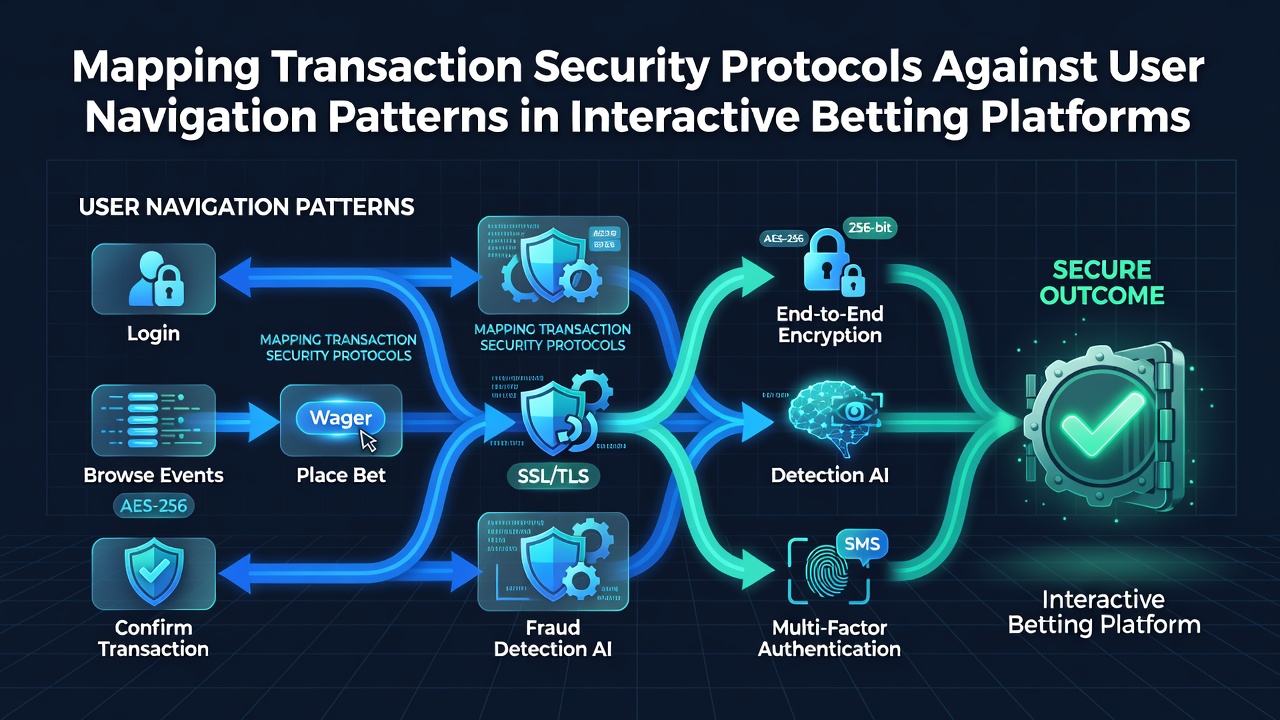
Behavioral Mapping Techniques Enhancing Transaction Security in Online Betting Platforms
Interactive betting platforms rely on detailed analysis of user navigation patterns to refine transaction security protocols, creating layered defenses that adapt to observed behaviors during sessions. Researchers have documented how path tracking through menus, game selections, and deposit interfaces allows systems to flag deviations that might indicate unauthorized access or fraudulent activity. Data collected across multiple jurisdictions shows these mappings help reduce successful breach attempts by correlating typical user flows with expected transaction timings and amounts.
Core Elements of Navigation Pattern Analysis
Navigation patterns encompass sequences such as login to account dashboard, selection of specific betting markets, movement between odds displays, and progression toward payment gateways. Analysts track metrics including click frequency, dwell times on certain pages, and transitions between mobile and desktop interfaces. Studies indicate that regular users often follow predictable routes when placing wagers or managing funds, whereas irregular paths can trigger additional verification steps without interrupting legitimate play.
Platforms integrate heat mapping tools and session replay data to build profiles of standard behavior across different user segments. These profiles feed directly into security algorithms that adjust authentication requirements in real time, for instance requiring extra confirmation when a user jumps from a high-stakes sports bet directly to a large withdrawal without intermediate account checks. Observers note that such adaptive responses maintain platform integrity while preserving smooth experiences for established accounts.
Transaction Security Protocols in Practice
Transaction security protocols in these environments typically combine encryption standards, multi-factor authentication, and behavioral biometrics. Encryption secures data in transit during deposits and payouts, while multi-factor methods verify identity through device recognition or one-time codes. Behavioral biometrics add another dimension by monitoring typing rhythms, swipe patterns on touchscreens, and even mouse movement velocities that align with previously recorded user signatures.
Integration occurs when navigation data informs the weighting of these protocol layers. A user who consistently deposits via a saved payment method after viewing specific event pages might bypass certain checks, whereas an account showing sudden interest in unfamiliar regions or rapid navigation through withdrawal screens receives heightened scrutiny. Figures from regulatory reports reveal that platforms employing this combined approach processed higher volumes of transactions in early 2026 with lower fraud incidence rates compared to systems using static rules alone.
Integration Methods and Real-World Applications
Developers map navigation data against transaction records using graph-based models that represent user journeys as nodes and edges. Each completed bet or fund transfer becomes a data point that strengthens or adjusts the security threshold for similar future paths. This method allows platforms to distinguish between organic exploration, such as browsing multiple sportsbooks before committing funds, and potentially malicious scanning of account vulnerabilities.
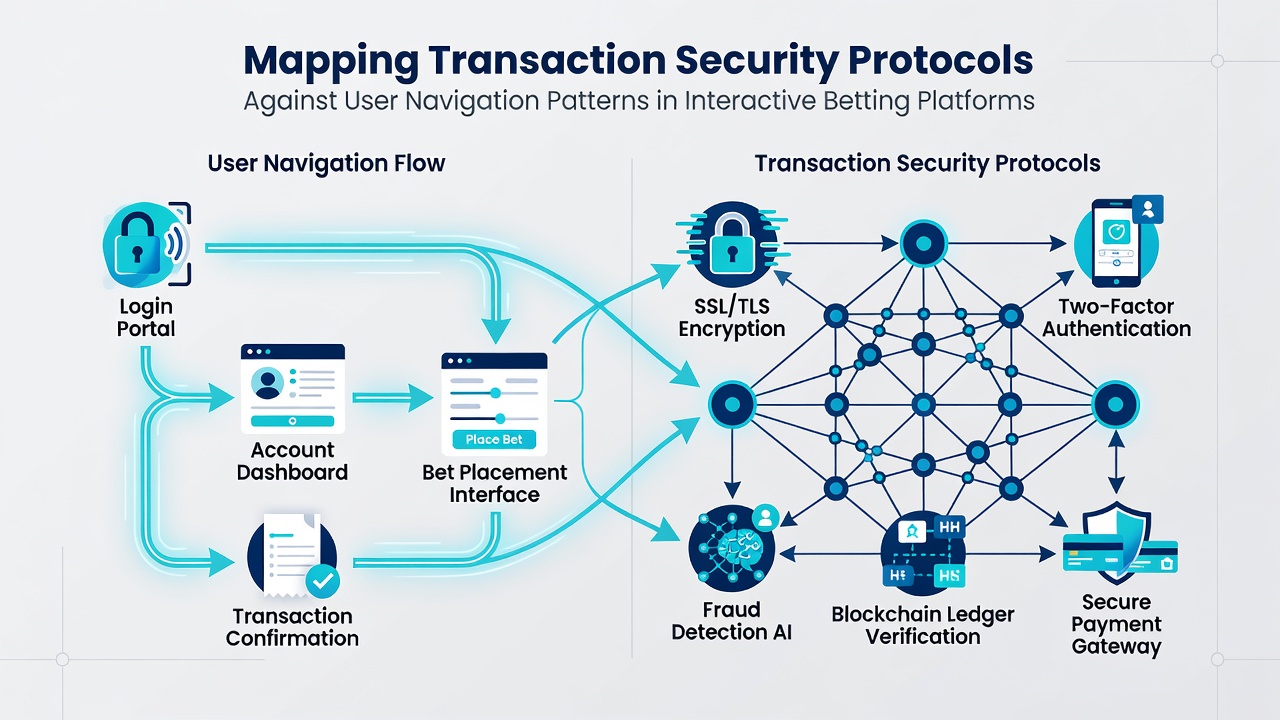
One documented implementation involves linking session cookies with transaction logs so that any deviation from established navigation sequences prompts immediate risk scoring. In June 2026 several operators updated these systems following new compliance guidelines issued by the New Jersey Division of Gaming Enforcement, which emphasized dynamic verification tied to behavioral analytics. Similar adjustments appeared in Australian markets where state regulators encouraged adoption of pattern-based monitoring to align with evolving digital transaction standards.
Industry associations have published case summaries showing reduced chargeback rates after deployment of these integrated frameworks. The approach also supports compliance reporting by generating audit trails that detail why certain transactions received additional screening based on navigation anomalies. Those who manage platform security emphasize that continuous refinement of the mapping models remains essential as user interfaces evolve and new betting formats emerge.
Regulatory Context and Data Trends
Regulatory bodies across different regions have begun requiring disclosure of how navigation analytics intersect with security measures. Reports submitted to oversight agencies detail the volume of flagged sessions alongside resolution outcomes, providing transparency without exposing proprietary algorithms. Evidence from these filings indicates steady improvement in detection accuracy throughout 2025 and into mid-2026, particularly for cross-border transactions where navigation patterns can vary significantly by device type and connection speed.
Academic research groups have examined large anonymized datasets from betting operators to quantify the effectiveness of pattern mapping. Their findings highlight correlations between certain navigation sequences and elevated risk scores, supporting further investment in machine learning refinements. Platforms continue to test updates that incorporate additional variables such as time-of-day preferences and favorite device usage to tighten the alignment between observed behavior and transaction approval logic.
Conclusion
Mapping transaction security protocols against user navigation patterns has become a standard practice across interactive betting platforms, driven by accumulating data on session behaviors and regulatory expectations. This integration enables more precise identification of anomalies while supporting efficient processing for verified users. Continued evolution of these techniques will likely depend on collaboration between operators, technology providers, and oversight entities to maintain robust defenses as platforms scale and user expectations shift.