Analyzing the Role of Security Protocols in Player Retention Across International Mobile Gaming Platforms
Written by Carlo Hughes · Jun 28, 2026
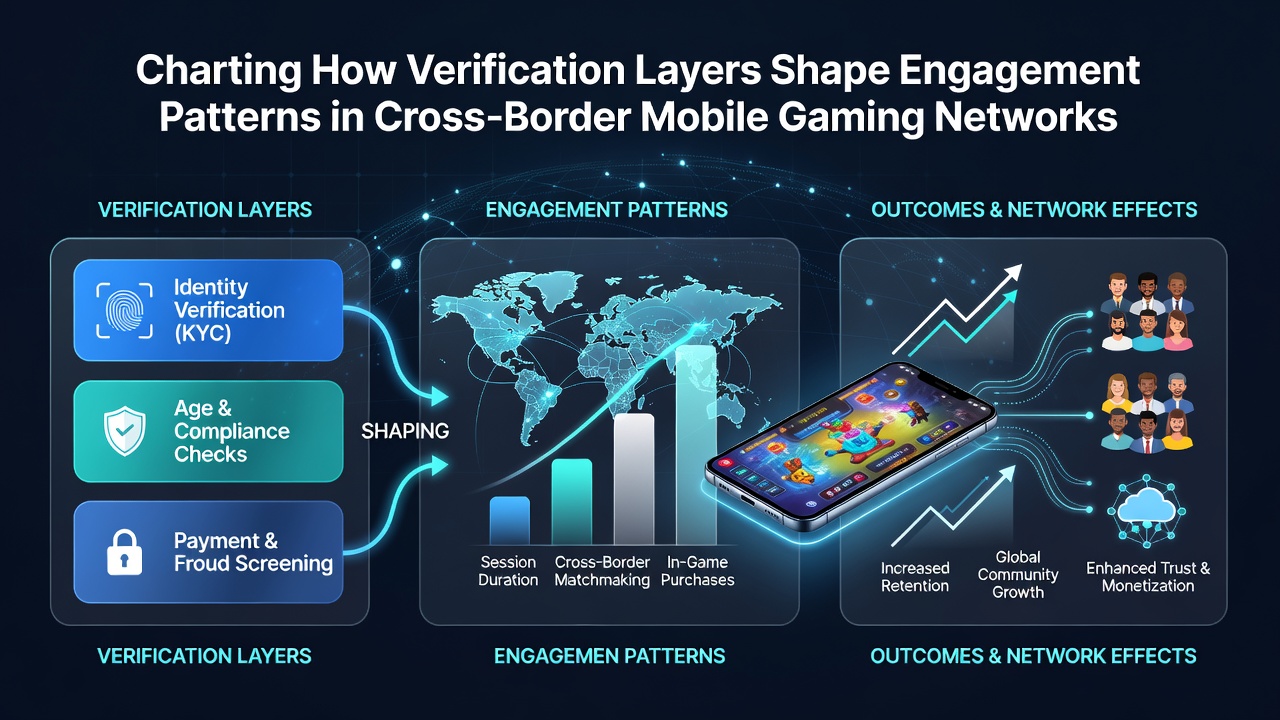
Analyzing the Role of Security Protocols in Player Retention Across International Mobile Gaming Platforms
Verification layers in mobile gaming encompass multiple steps that include identity checks, age confirmation, and sometimes biometric authentication, and these processes directly affect how users interact with platforms that operate across national boundaries. Data from industry analyses indicate that such layers create distinct patterns in session duration and return rates, particularly when players move between regions with varying regulatory requirements. Researchers tracking these systems note that initial sign-up friction often leads to higher abandonment during the first few minutes of account creation, while successful completions correlate with sustained activity over subsequent weeks.
Core Components of Verification in Mobile Gaming
Basic verification typically starts with email or phone confirmation, then progresses to document uploads for full account access in many cross-border setups. Advanced tiers incorporate facial recognition or device fingerprinting, and these additions become necessary when platforms handle users from jurisdictions that enforce stricter compliance standards. Observers note that European markets tend to require more documentation due to data protection rules, whereas certain Asian regions prioritize rapid onboarding with lighter checks before escalating to full verification for high-value transactions.
Studies on user flow reveal that platforms using progressive verification see lower initial drop-offs compared to those enforcing complete checks upfront, because players can sample games before committing personal details. This approach allows networks to collect behavioral data first, then trigger deeper layers based on activity thresholds such as deposit amounts or play frequency.
Regional Variations and Their Effects on Participation
Cross-border networks must adapt verification to local laws, which creates uneven engagement landscapes. For instance, users in North American markets encounter different hurdles than those in Oceania, and these differences show up in retention metrics collected through aggregated platform data. In June 2026, several operators reported adjustments to their systems following updates in Canadian provincial guidelines, where streamlined digital ID options reduced average verification time by notable margins.
Engagement patterns shift when verification delays exceed user expectations, leading to session abandonment that compounds across time zones. Platforms that integrate automated tools for document scanning maintain steadier player bases, according to reports from trade associations monitoring global mobile trends. Those who've analyzed transaction logs find that verified accounts exhibit higher in-game spending consistency, yet the path to verification remains a bottleneck in regions with limited digital infrastructure.
Data Patterns Emerging from Multi-Layer Systems
Analytics platforms tracking millions of sessions demonstrate that verification completion rates hover around specific benchmarks depending on the number of layers applied. Single-layer systems show quicker entry but face higher fraud-related account closures later, while multi-layer setups filter issues earlier at the cost of initial participation volume. Research indicates that biometric options, when offered as alternatives to manual uploads, boost completion rates because they align with habits users already employ in banking apps.
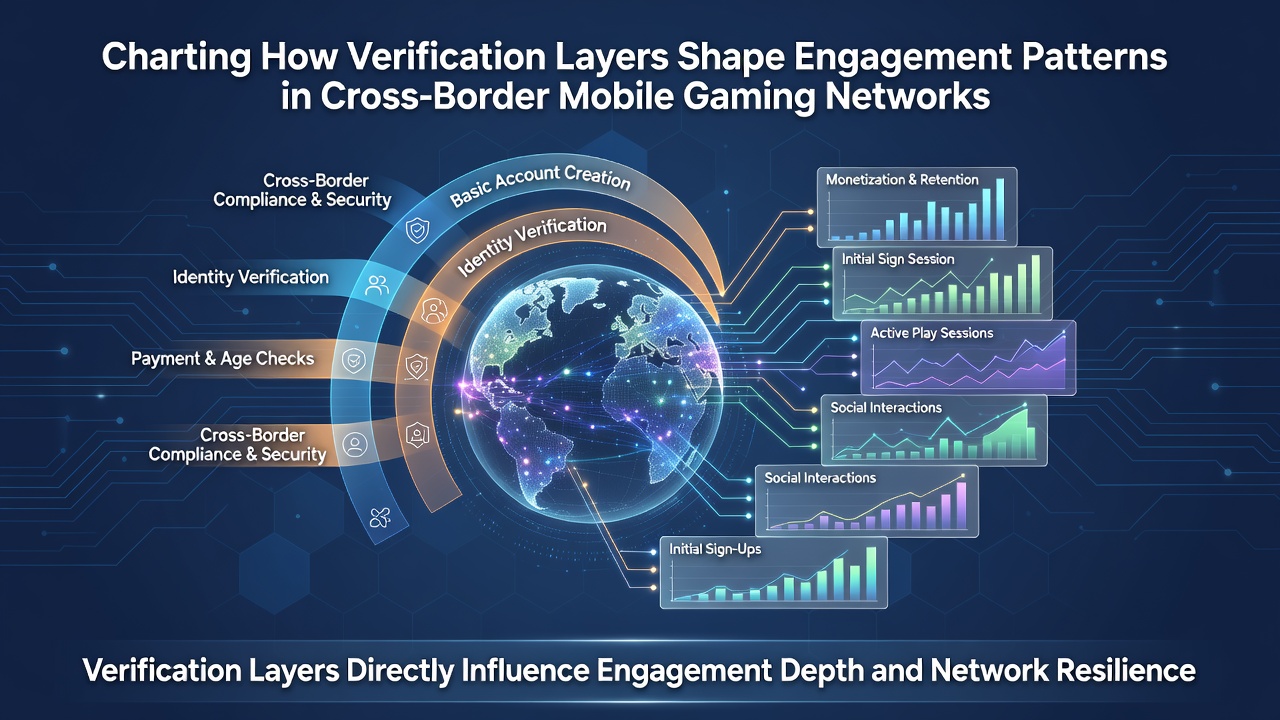
One study revealed that players who pass verification within the first hour of registration maintain longer average play streaks across borders, whereas those facing repeated prompts tend to disengage after a few attempts. What's interesting is how these patterns hold across different game genres, from casual puzzles to competitive titles, suggesting the effect stems more from process design than content appeal. Figures from regulatory filings in Australia highlight similar trends where mandatory identity matching reduced certain risk categories without broadly suppressing overall user numbers.
Adaptations by Operators in Evolving Networks
Operators respond to these dynamics by experimenting with tiered access models that unlock features gradually as verification advances. This strategy keeps engagement alive during the compliance phase and lets users build habits before full restrictions apply. External sources such as the Alcohol and Gaming Commission of Ontario provide guidelines that encourage such balanced implementations to support both security and accessibility.
Additional evidence from academic papers on digital trust shows that transparent communication about verification purposes can mitigate frustration, leading to higher follow-through rates. Networks incorporating real-time status updates during checks experience fewer support tickets related to account holds, which indirectly preserves engagement momentum.
Conclusion
Verification layers continue to define boundaries within cross-border mobile gaming by balancing security needs against seamless participation. Patterns in engagement data consistently point to the importance of timing and method in these processes, with operators refining approaches based on regional feedback loops. As networks expand, the interplay between compliance steps and user behavior will likely drive further innovations in how identity confirmation integrates into daily play routines.